
Dump Site Openly Flouts Provincial Law
Experts say Quebec won’t enforce environmental laws on Mohawk land as Kanesatake deals with numerous dump trucks with unknown contents driving in every day.

A Nexus Construction truck is seen dumping soil in Kanesatake in June 2024. PHOTO: Peter McCabe
The people of Kanesatake want to know what’s being dumped on their land.
Every day, from sunrise to sunset, trucks filled with dark brown soil rumble onto the Kanien’kehá:ka (Mohawk) territory and unload their cargo by the Lake of Two Mountains.
After decades of inaction from all levels of government, local whistleblowers have gone vigilante: installing trail cams next to dump sites, flying drones overhead, surreptitiously gathering soil samples and — in one case — firing a gun into the air to scare off a trucker.
But still no answers.
Support Independent Journalism.
On Monday, The Rover recorded three trucks loading what appeared to be contaminated soil from construction sites in Laval and dumping them onto a plot of Mohawk land that overlooks the lake.
The first picked up slabs of asphalt from an industrial building near Highway 440 while the others loaded soil from a condo development in east Laval. All three then headed northwest to Kanesatake and unloaded their cargo near the shoreline.
These shipments all belong to Nexus Construction, a Laval-based excavation company that dumps dozens of truckloads on the reserve every day, according to Kanesatake Grand Chief Victor Bonspille and the community’s environmental protection agency.
Experts interviewed by The Rover say this likely violates a series of provincial laws but is a persistent problem in Quebec because its environmental regulations are barely enforced.
Under provincial law, any soil collected from a construction site has to be tested before anyone carts it off. If the soil was under a patch of asphalt, it must be brought to a provincially-regulated recycling or storage facility, because it likely contains heavy metals, sulphur, salt and bitumen.
It is also illegal to dispose of contaminated soil within one kilometre of a body of water.
In Kanesatake on Tuesday, The Rover observed a Nexus dump truck unloading an estimated 25 tonnes of debris just a few feet from the Lake of Two Mountains — a body that provides drinking water to the Mohawks and 18 municipalities in and around Montreal.
The company has a deal in place with a Mohawk property owner who charges them a flat rate per load and refuses to allow environmental inspectors on the site, according to 10 sources inside Kanesatake.
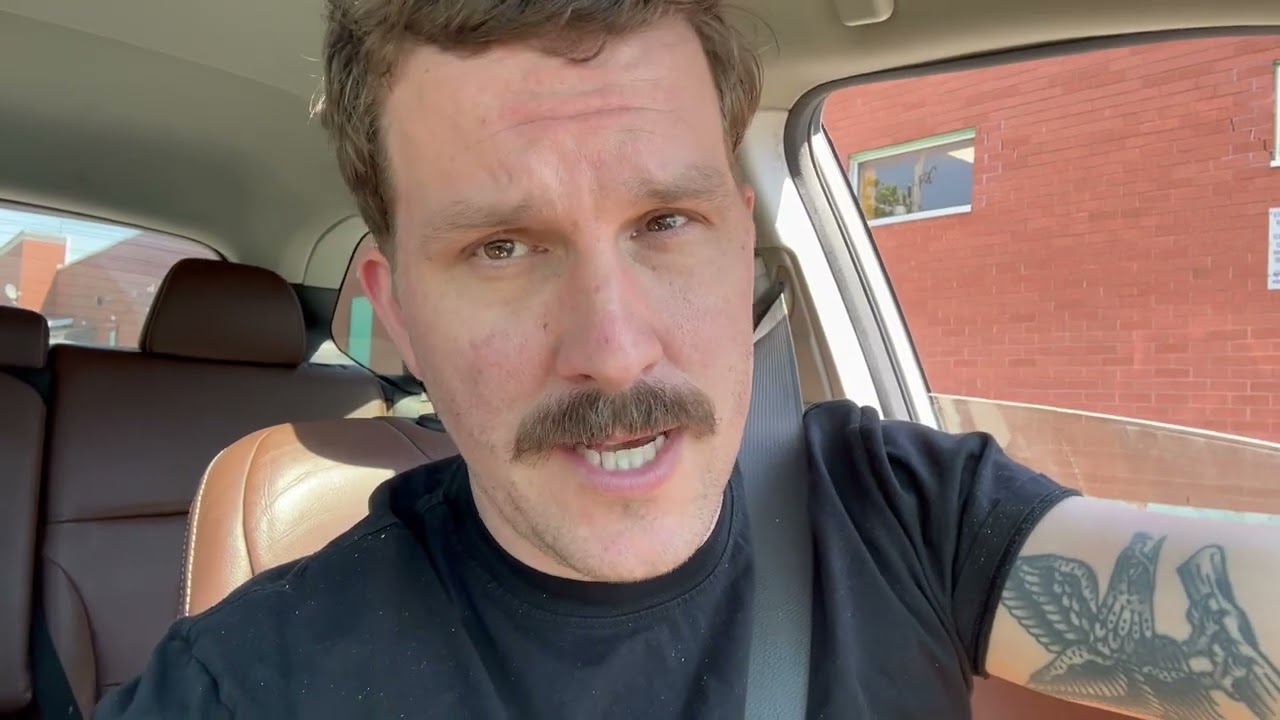
“This could be hazardous to human health, we have no idea what’s in these trucks but if there’s so much resistance to testing, that’s a bad sign,” said Eugene Nicholas, Kanesatake’s environment director. “We have a lot of cancer in this community. Our elders are dying and when they die that knowledge dies with them. They’re Mohawk language speakers, they’re the keepers of our culture and we don’t want to lose them.”
A source close to Quebec’s environment minister was less diplomatic.
“This is an environmental disaster unfolding before our eyes,” said the source, who is not authorized to speak to the media. “We have an excellent system in place to track contaminated soil, but it’s not enforced. So lots of contractors just don’t use it, make a cash deal with some First Nation, save a shitload of money and then gain a huge competitive advantage over anyone who plays by the rules.”
Romeo Sachetti, one of Nexus’ co-founders, did not respond to text messages and calls from The Rover. When The Rover contacted Nexus’ Laval office, an employee said the company does not speak to reporters and hung up when asked to leave a message for one of the owners.
The company’s practices have been denounced by Kanesatake’s band council, neighbouring mayors and whistleblowers in Mohawk territory, but their trucks keep coming.
“There’s going to be trouble if we don’t get this under control and fast,” said Bonspille. “You cannot expect people to sit idly by while this devastation continues. They deserve answers, they deserve justice.”
***
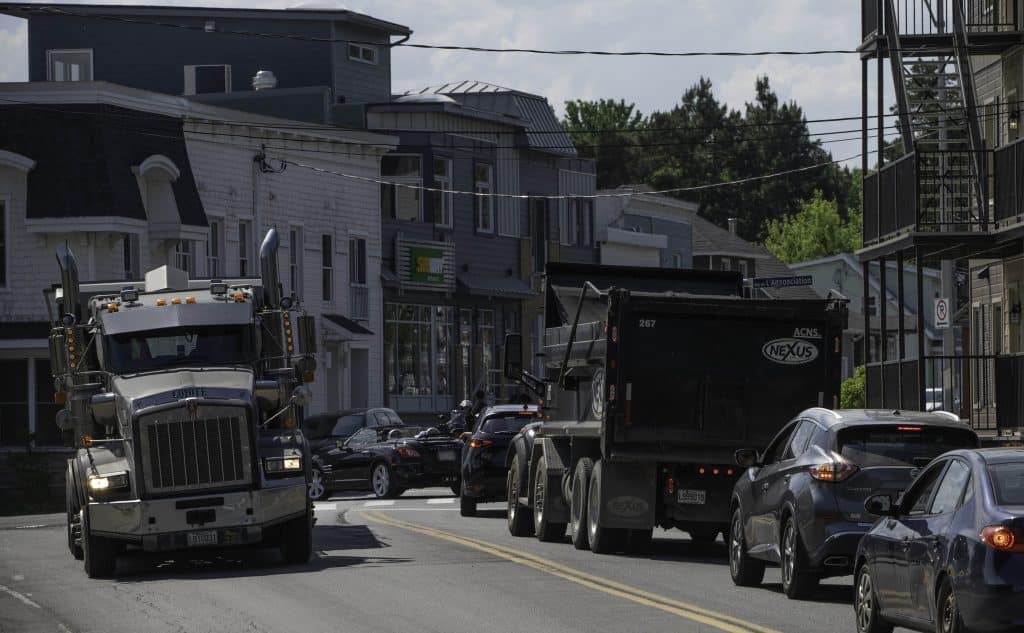
Numerous Nexus Construction trucks drive though Oka and Kanesatake every day. PHOTO: Peter McCabe
It’s difficult to grasp how much is being dumped on the territory until you see it with your own eyes.
On Tuesday, The Rover recorded 12 Nexus trucks dumping on Mohawk land in under 45 minutes. They roar through the quiet village of Oka, up a hill into the pine forest and dump on a lakeside site where 15-foot mounds of soil are then spread by a bulldozer and excavator.
The road leading to the site is covered in brown dust as are neighbouring homes, fields and vehicles parked nearby. A sign warding off trespassers sits next to a booth where a watchman stands guard around the clock.
During three different stakeouts of the site, The Rover observed piles of asphalt stacked next to mounds of soil. Before the dumping started, this land was a steep hill that plunged into the lake. But over time, the hill disappeared and now there’s so much new soil added to the land that it’s almost flush with Highway 344.
When two council chiefs tried to lead Environment Quebec inspectors on site to take samples last month, they were beaten up and sent home, according to witnesses and a video of the incident.
Even a conservative estimate of Nexus’ activity would place the daily dumping volume at well above 200 tonnes. Under provincial law, any company disposing of more than that amount of contaminated soil each day has to register each load into a database that tracks the material in real-time.
The interactive database — called Traces Quebec — came into effect in 2022. It was designed by a team of engineers who sold it to the government in hopes that they could end the practice of illegal dumping in Quebec.
“It’s a great system but the problem is there’s not nearly enough inspectors out there enforcing environmental law,” said one engineer who works in the excavation industry. “All the responsible contractors want it to be enforced. They do good work, they do honest work and they want to see a level playing field.
“But when you have these cowboys who go around the system, it puts a stain on the entire industry. In the end, you have these communities that are losing good soil because it’s being mixed with contaminated soil and it’s getting into the water table. It kills plant and animal life; it’s also extremely dangerous to human health.”
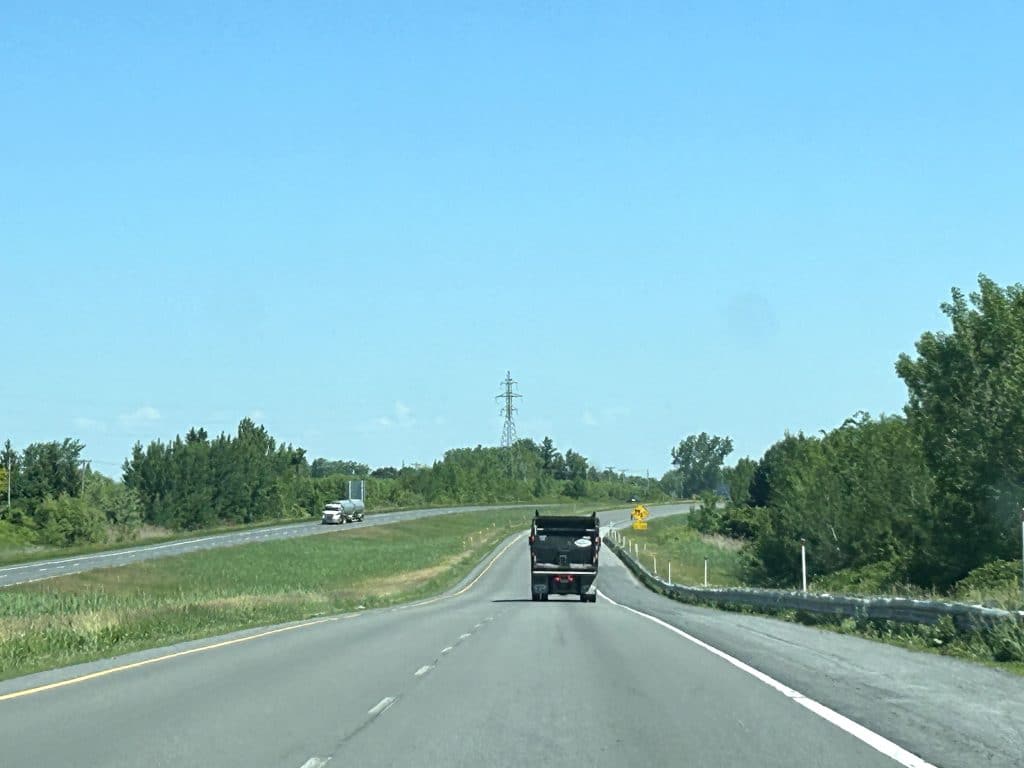
The Rover’s Christopher Curtis followed dump trucks from construction sites in Laval to Kanesatake Mohawk Territory in June 2024. PHOTO: Christopher Curtis
There are only a handful of sites in and around Montreal authorized to store contaminated soil and they charge about $30 a tonne for the service. For a large dump truck, that’s about $750 a load but sources in Kanesatake say they can offload their cargo for less than half that price. If a company is dumping over 200 tonnes per day, every day, for months, they’re saving hundreds of thousands of dollars on disposal costs.
The matter of enforcing basic environmental regulations became so desperate that the team of engineers who designed Traces Quebec wrote a letter to the province’s Environment Minister in July 2022, demanding he take action.
“We’ve noticed that, months after the system came into place, companies are still circumventing the tracing system and illegally dumping contaminated soil,” the letter reads. “As it stands, the enforcement of (provincial law) seems insufficient. Some companies are taking advantage of the absence of an enforceable traceability system, creating a parallel and illegal system.”
The engineers suggested Quebec adopt legislation allowing cities to withhold excavation permits until the company registers with Traces Québec. This, they argued, would all but guarantee an end to illegal dumping on an industrial scale.
The provincial government did not heed their advice.
Though Environment Quebec is working with Kanesatake to try to find out what’s being dumped on site, there’s been no attempt by the province to block and inspect the loads.
“There’s blame to go around but I especially blame Quebec for not following its own policy,” said Nicholas. “You can argue about jurisdiction — is it federal land, is it provincial land — but the road that passes through Kanesatake is a provincial highway. They have the legal authority to set up a checkpoint and test the soil in those trucks.”
Nicholas is against the dumping, but his office doesn’t have the resources to stop it and Kanesatake no longer has a local police force.
“We’re a science team, not an enforcement team,” he said. “Our job is to find out what’s going on, do the lab tests and alert the appropriate authorities.”
A representative for Indigenous Services Minister Patty Hajdu told The Rover “the situation is being closely monitored.”
“All parties involved, including the Government of Canada, recommend swift action be taken to protect the health, safety and quality of life of the community and region,” the representative said. “Any question regarding the safety of Kanesatake members should be directly addressed to the Sûreté du Québec.”
Provincial police were at the dump site last month when the owner and a worker fought two council chiefs trying to take samples. They did not intervene.
***

The dumpsite in Kanesatake along the shore of the Lake of Two Mountains, which provides drinking water for many communities in and around Montreal. PHOTO: Chris Curtis
In reporting on illegal dumping for nearly four years, The Rover has interviewed families near the dumping grounds who complain of nosebleeds, nausea, vomiting and joint pain when they smell fumes from one of the sites.
This predates the arrival of Nexus, and that company isn’t the only one dumping on Mohawk land. It’s merely the most visible.
Health officials in the community say cancer rates in Kanesatake are far higher than in neighbouring towns, but there’s been no research linking it to the dumps.
“We have a lot, too many (cancer patients),” said Jeremy Tomlinson, the community’s health director. “You can’t discount the connection between trauma, intergenerational trauma and health outcomes. It’s hard to say (what role dumping plays) but it does have a negative impact on environmental health. Now whether it currently has an impact (on health) or one will be felt in the future, only time will tell.
“We are already seeing an impact with the fauna resulting from the modifying of our shoreline.”
Kanesatake is just one of dozens of Indigenous communities across Canada dealing with heavy industrial pollution. A United Nations special rapporteur wrote in 2020 that Indigenous people in Canada “find themselves on the wrong side of a toxic divide, subject to conditions that would not be acceptable elsewhere.”
Two years ago, Green Party MP Elizabeth May proposed legislation that would grapple with this “environmental racism.” Her private member’s bill, C-266, mandates the federal government to study how pollution and negative health outcomes are linked to race and socioeconomic status. Bill C-266, passed through the House of Commons and is currently before the Senate.
“I can’t imagine a non-Indigenous community having to accept this level of inaction,” May told The Rover, in a 2022 interview about Kanesatake. “Even where people in politics actually understand this is dangerous and actually understand this is illegal, the confusion of jurisdiction in this community is more extreme than 90 per cent of the communities I’ve ever worked with.”
While May’s bill crawls through the legislative process, trucks keep rolling into Kanesatake. Aside from security guards and a sign at the dump site, there’s little effort to hide what’s going on. Nexus trucks pull over at the gas station outside Kanesatake or on the shoulder of Highway 640 to take their lunch breaks. They have become a fixture in these parts.
With each passing day, they are transforming a land that’s fed generations of Mohawks and they’re doing it without anything resembling oversight.
“What are we going to tell our kids when they ask us what we did to stop this?” one resident said. “I’m going to tell them I fought. I really hope more people join our fight.”
Author

Comments (5)
Leave a comment
Related Articles

Montreal Police Pressured Community Leaders not to Attend Vigil for Abisay Cruz
Sources say that while police spoke of listening to community after the killing of Cruz, they took a much harsher line behind the scenes.

Le refus de l’asile à Ranjit Singh
Militant pour le mouvement indépendantiste sikh de l’État du Pendjab, au nord de l’Inde, Ranjit Singh fuit les persécutions policières pour trouver refuge au Canada en 2019. Il y a deux semaines, sa demande d’asile est rejetée et sa déportation prévue le vendredi 6 mars 2026.

The Refusal of Asylum to Ranjit Singh
An activist for the Sikh independence movement in the state of Punjab, Ranjit Singh fled police persecution to seek refuge in Canada in 2019. Two weeks ago, his asylum application was rejected, his deportation scheduled for March 6.
There’s tons of blame to throw around. Federal and Québec officials and politicians wash their hands and don’t want to get involved. Municipal officials in Oka lean on out-dated racial tropes to explain and inflame passions and opinions against Mohawks. The Mohawk Council of Kanehsatake (MCK or band office) hasn’t regulated for decades because regulations means someone has to enforce them and that pisses off some factions and affects electability next time. Let’s not forget the money-grubbing trucking and demolition folks who evade Federal and Québec regulations that act just like the band office in ducking responsibility. Finally, there are those money-grubbing individual Mohawk who charge their co-conspirators in environmental destruction and degradation who believe their pulling a fast one by exploiting loop holes that they’re literally able to drive a truck(s) through.
Great reporting. I live in Oka and each day I watch the Nexus trucks come and go… I counted 12 trucks in 1 hour. It’s scary to see that this company can dump its waste without any consequences.
Is there anything that we can do to help stop this?
This reporting is true value for the subscriber’s dollar and even more importantly an urgent call out to all Quebekers determined to protect their environment for future generations. Well done!
Great reporting.