
Nunavik Police Get a Pay Raise Amid Community Concerns
Inuit activists say the pay raise should match police efforts to rebuild trust with the communities.
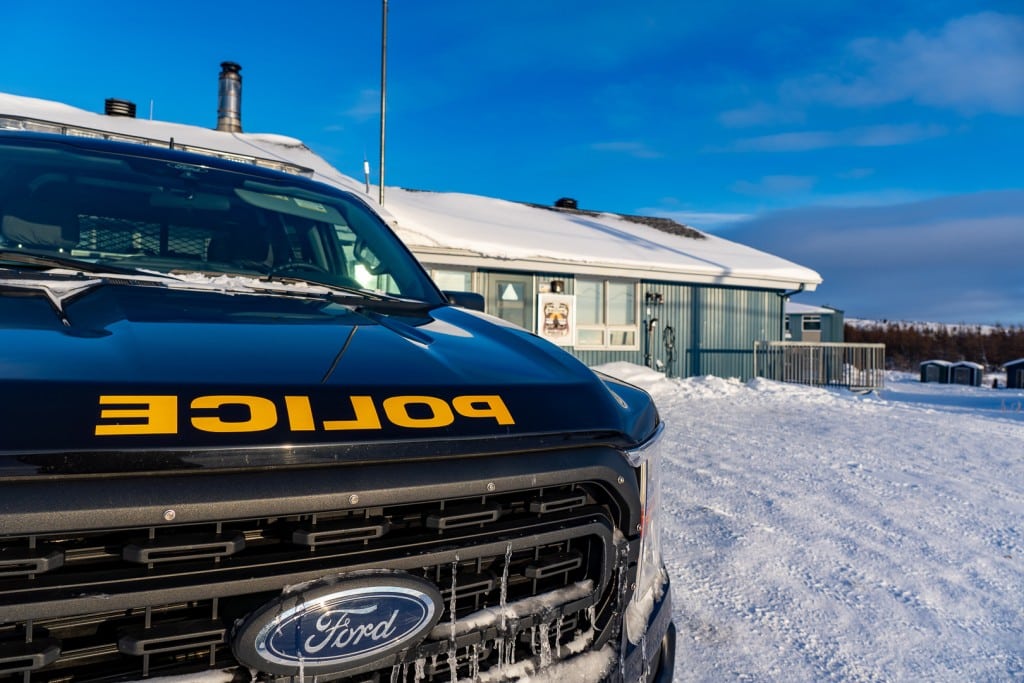
Every police officer in Nunavik, from rookie to veteran, is getting an approximately $30,000 pay raise this year.
That means officers in the Nunavik Police Service (NPS) will go from being among the lowest-paid regional police in Quebec to among the highest.
With officers who patrol Quebec’s 14 Inuit villages about to see a massive increase in compensation, activists in Nunavik point to the waning trust between the communities and police. Four Inuit have been killed during police interventions since Nov. 2024, and people in the territory say more efforts should be made to mend that relationship.
Support your local indie journalists
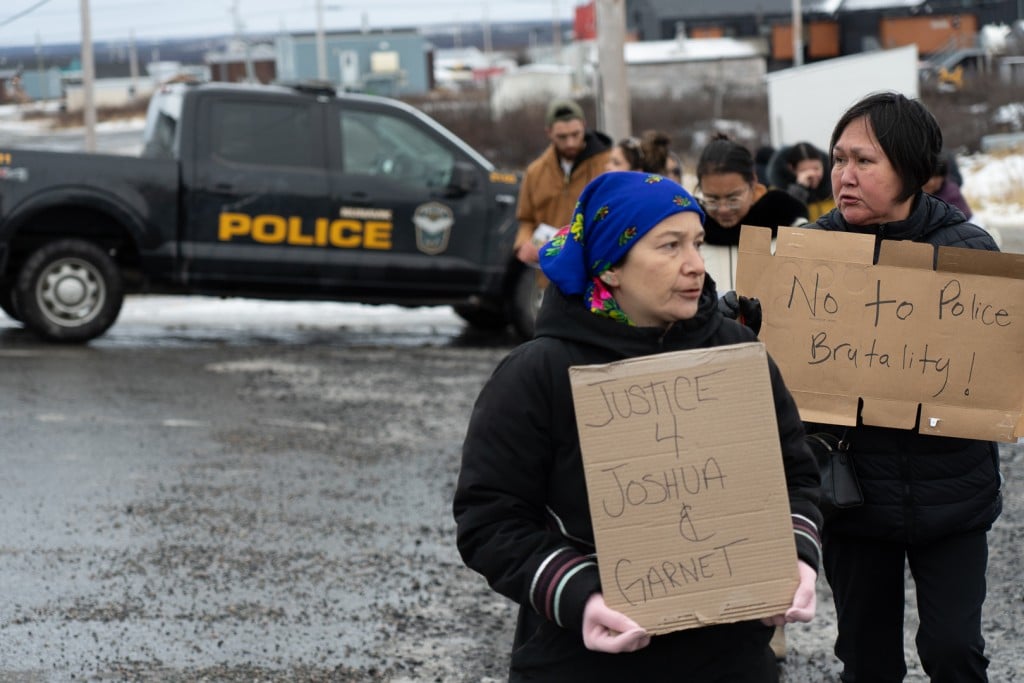
Olivia Ikey Duncan and Suzy Watt Kauki, two activists from Kuujjuaq, Nunavik, have been at the forefront of the protests organized in communities across the vast territory. The last one being on Nov. 4, 2025, in commemoration of the twin brothers from Salluit, Joshua Papigatuk, who died on that day in 2024, and Garnet Papigatuk, who was seriously injured, during a police intervention.
“I always hope that our professionals working in the North are well paid so they can do their job more efficiently,” said Kauki in an interview. “But with that observation, I also have my concerns where we are not seeing any collaboration being made between the communities and the police, we are not seeing any transparency.”
Some 6 per cent of all investigations launched against police bodies in the province were done on the NPS since 2016, according to the Bureau des enquêtes indépendantes (BEI), Quebec’s police watchdog. Yet, Nunavik makes up just 0.15 per cent of the province’s population.
The BEI has five open cases regarding NPS, four of them involving deaths, after a police officer fired their weapon during interventions.
BEI concluded its investigation on four of the five cases and is awaiting the final decision from the Directeur des poursuites criminelles et pénales (DPCP), who will decide if accusations should be made against the officers.
The two most recent cases, a death in Inukjuak in December 2025 and a serious injury in Kangiqsujuaq on Jan. 30 this year, remain under investigation.
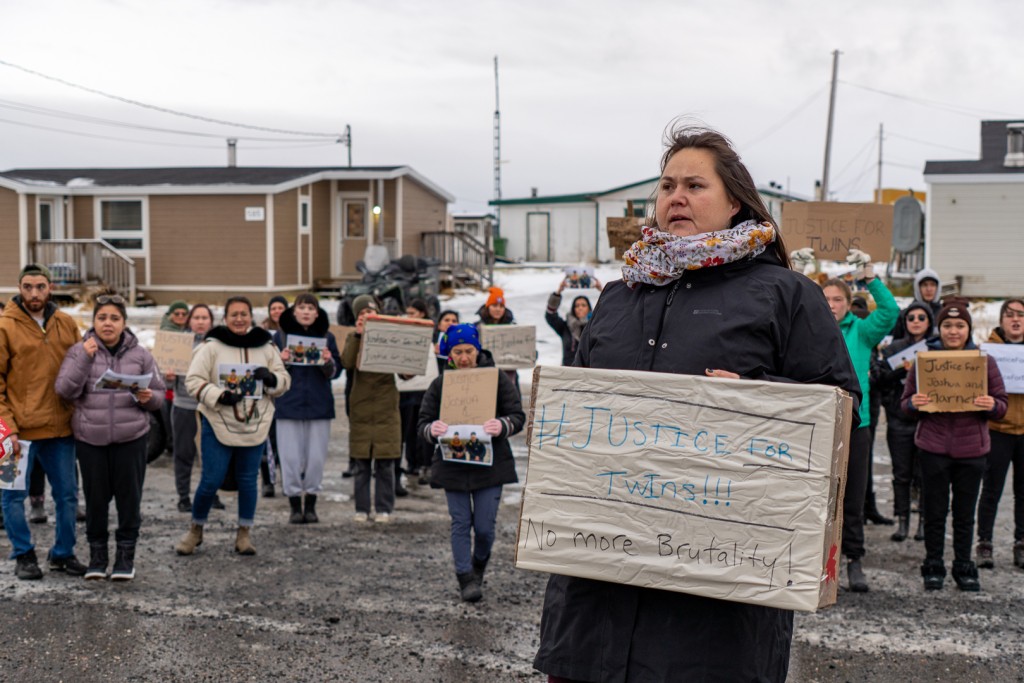
Ikey and Kauki want to see an increase in cultural training for police officers coming into the community. Almost all police officers are from outside of the communities.
NPS is under the management of the Kativik Regional Government (KRG), the governing body for Nunavik. According to the February 2026 NPS activity report, presented to the regional council made up of representatives from every community, three out of 178 police officers in the region are Inuit.
“There is no cultural training at all,” said Kauki, “I am very concerned about the salary increase because it may have another kind of impact rather than the justice we want.”
Ikey asked, “What extra training, what extra knowledge do they have to get that extra $30,000?”
“I don’t care how much you pay people, if they don’t understand the culture, the language, it is not going to help,” she added. “You can have a whole bunch of robocops, paying them big money, and they will still be shooting people in 10 years.”
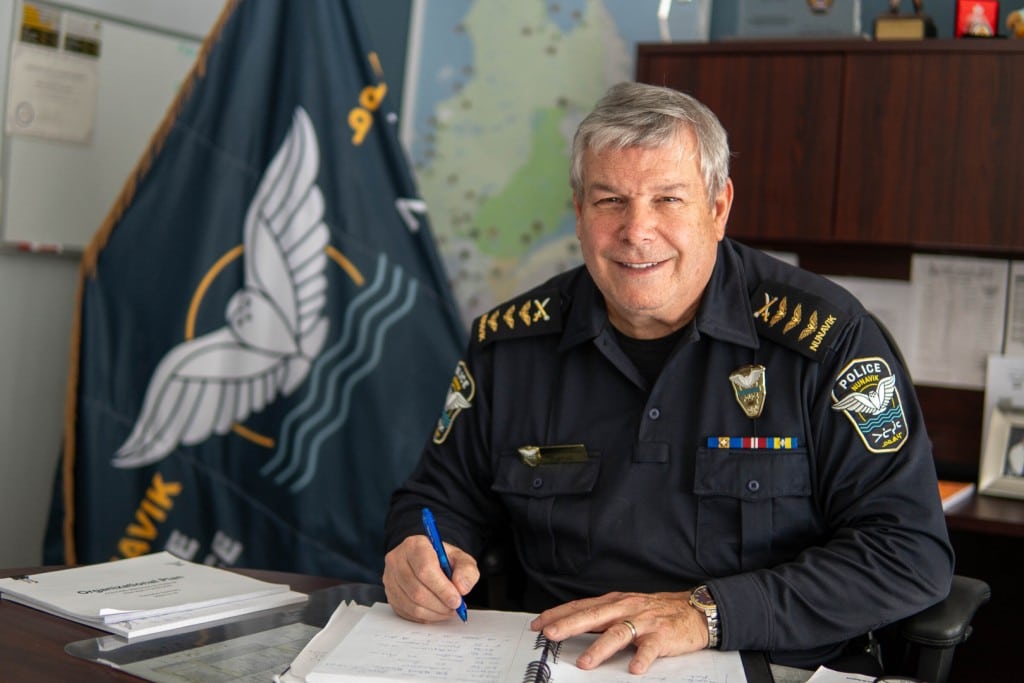
Prior to 2026, the starting salary for police officers was $55,745 a year, going up to the final tier at the 48-month mark, where the salary was $98,965.
Now, the starting salary is $82,184, and the final tier is $126,437.
In May 2025, NPS received $562 million in trilateral funding from the KRG, Quebec, and the federal government to be used from 2024 to 2029, which is what made the salary increase possible. Former police chief Jean-Pierre Larose said that some of that money should be used to create a cultural introduction program for new incoming police officers, with the need for police officers to experience Inuit life and make stronger connections.
Newly appointed police chief Jean-François Bernier said that at the moment, police officers undergo two online trainings that are “multiple hours long,” developed by Université Laval. He said that those trainings left him with an appetite for more. “I would like to have a third phase, a sort of integration activity with the community members,” like traditional on-the-land activities.
When it comes to the salaries, Bernier believes this sets up a positive future for NPS.
“Historically, Nunavik has been one of the least paid police services, if not the last on the list,” he said. In 2021, NPS had significant staff shortages, with around 30 police officers to be spread amongst 14 communities, a number that required the support of the Sûreté du Québec, which then withdrew from the region in June 2024.
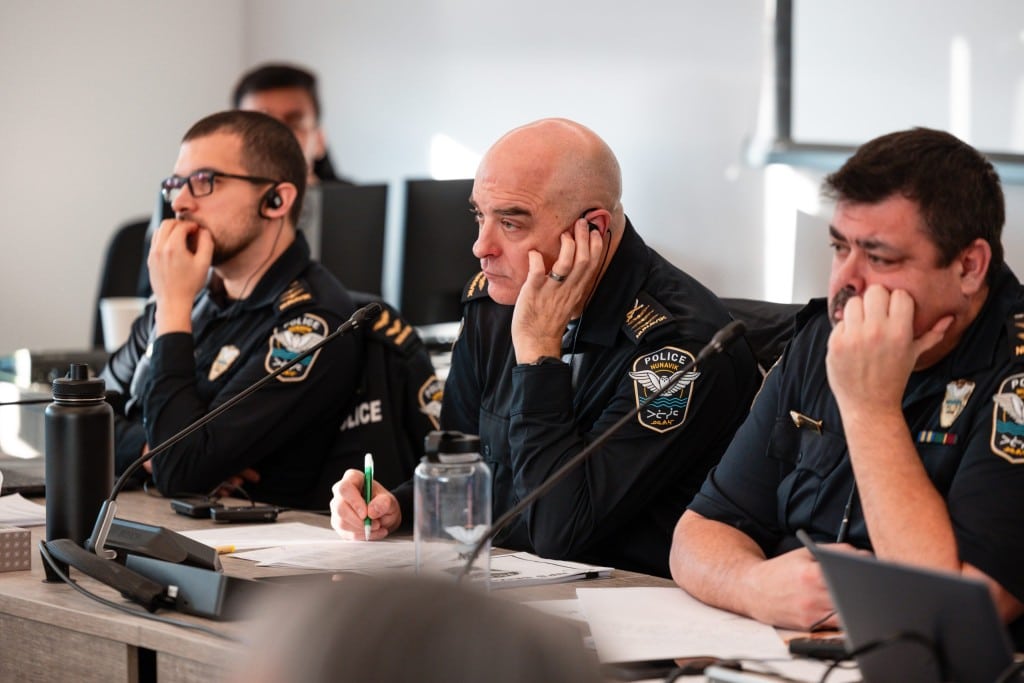
To close that gap, NPS started recruiting outside the traditional Quebec police academies by sending potential employees to the RCMP depot in Regina, Saskatchewan, a school vetted by L’École nationale de police du Québec. There, they would be given an intensive six-month training, to then finish that training by working in Nunavik.
That bolstered the ranks, but Bernier points out that the NPS is “very, very young in experience.” Since the signing for the funding, the beginning of the two weeks on, two weeks off schedule, and the salary increase, employee retention has increased. Before his arrival as interim police chief in November 2025, “I was told that the NPS had the revolving door syndrome, one officer was hired, two, three were leaving,” he said.
Police officers could not really engage in the community if turnover was so high. “The community always had to start from scratch with their police officers,” he said.
The salary increase is a “game changer” for Bernier. His highest priority is to hire more Inuit police officers and to offer them the opportunity to work in their community or travel to another community through the RCMP program. His dream is to see all positions, from officer to director, be taken by Inuit.
Kauki and Ikey remain wary. For them, the two-week work schedule is problematic because that means those police officers are there only half the time, perpetuating the community relationship issues.
“It is not a mining job,” said Ikey. It creates a mentality “that you are here for work, you are doing your time.” For her, the rotational schedule mentality leads workers to think more about their time off than their time on. “Why don’t you guys just live here?”
Shortly after the death of Joshua Papigatuk, Makivvik, the legal, political, and economic representative body of Nunavik Inuit, and the KRG, alongside several Nunavik mayors, created the Nunavik Public Security Committee, with the goal of analyzing police history in the region and developing engagement strategies and education tailored to Nunavik.
BEI director Brigitte Bishop, appointed in April 2025, said that she would invite herself to that meeting.
When asked how many meetings the Public Security Committee had, when they last met, and what the plans were for it, KRG communication director Denis Abbott said in an email response, “I do not expect a response to your questions on the Nunavik Public Security Committee any time soon, sorry.”
When prompted for further elaboration, he said, “very straightforward questions, getting answers is the challenge.”
BEI communication advisor Jérémie Comtois also confirmed that Bishop had not attended any Public Security Committee meetings since her appointment.
The last public mention of meetings being held is in the May 2025 NPS activity report, where the former police chief was supposed to meet with the committee monthly.
“The decision-making within these organizations is not transparent to the public,” said Kauki. “The public is not completely aware of how policies and procedures are implemented.”
She added that governance does not make an effort to promote the fact that Inuit have the right to attend council meetings, file complaints with the police ethics commissioner, or request access to information.
Ikey said the Public Security Committee was just another example of that. “Put an article about it out there, it is said, it is there, it looks good, but hopefully nobody asks any more questions.”
Author
Comments (7)
Leave a comment
Related Articles
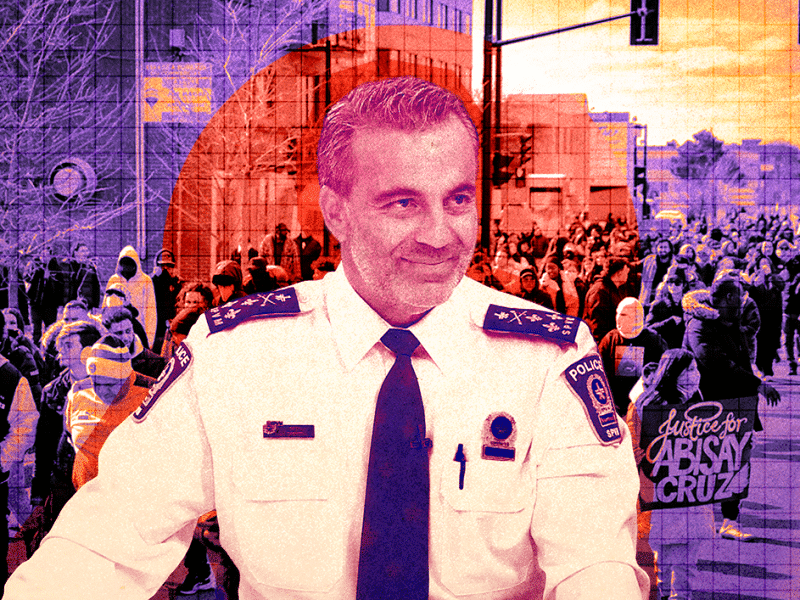
Montreal Police Pressured Community Leaders not to Attend Vigil for Abisay Cruz
Sources say that while police spoke of listening to community after the killing of Cruz, they took a much harsher line behind the scenes.
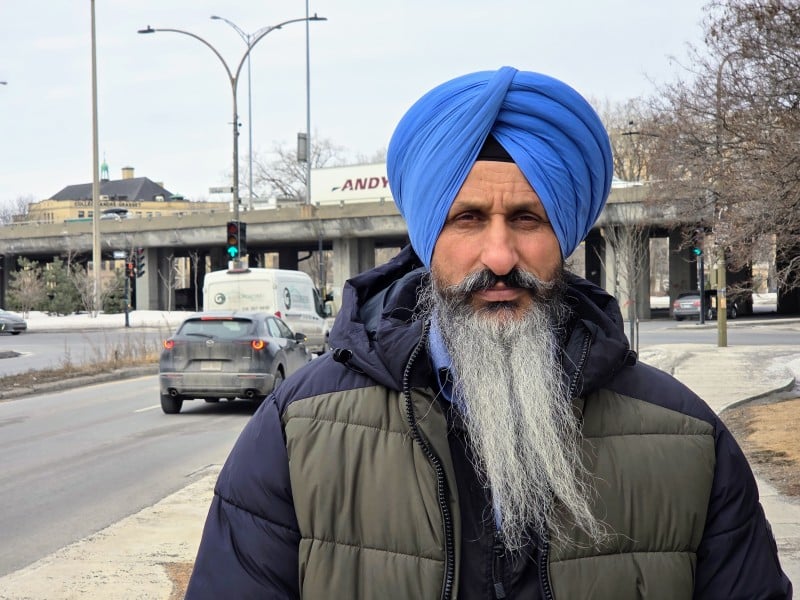
Le refus de l’asile à Ranjit Singh
Militant pour le mouvement indépendantiste sikh de l’État du Pendjab, au nord de l’Inde, Ranjit Singh fuit les persécutions policières pour trouver refuge au Canada en 2019. Il y a deux semaines, sa demande d’asile est rejetée et sa déportation prévue le vendredi 6 mars 2026.
The Refusal of Asylum to Ranjit Singh
An activist for the Sikh independence movement in the state of Punjab, Ranjit Singh fled police persecution to seek refuge in Canada in 2019. Two weeks ago, his asylum application was rejected, his deportation scheduled for March 6.
I’d like to know how that was done and approved. I think that Nunavik should vote on either Surete du Quebec and Nps. Your people count. You’d be surprised at the results. Let us choose between Nps and surete du Quebec.
I’m trying to see the hope in this dismal situation. Hopefully this competitive pay will make it easier to hold the agents to appropriate standards since it will be easier to replace them.
Get to pay and killing ppl huh thats fucken fucked up bro
More killing ppl and not saving life thats a fucked up life bro
Why killing ppl and you guys not gonna eat them
👀 @PPL
The salary increase I think was to bring attention to Inuit to join the Police Force looking at this from a whole different perspective. We still need a Police Force in our region to ensure safety from endangerment of civilians. Wishing Inuit would apply in becoming a Police Officer for our Inuit communities.