
The Rover’s Best of 2025
The Rover team picks our top work of the year.

Justin Khan’s pick

Montreal Metro Order Represses and Displaces Homeless, Experts Say by Emelia Fournier
In “Montreal Metro Order Represses and Displaces Homeless, Experts Say,” Emelia explores our province’s and city’s contradictory expectations on unhoused people and abusive STM constables and SPVM officers. Emelia begins her article by discussing the “move-along” order introduced by the STM, which effectively bans using metro stations as shelters. All the while, the city only has enough shelter spots for half of the homeless population.
She then weaves into her story the harrowing abusive practices of STM constables and SPVM officers on the unhoused and others. So the unhoused are stuck between a rock and a hard place: brace the elements or risk being abused by the police.
Based on Emelia’s very thorough and intense investigation, you can only conclude that this is another way that our institutions are trying to rid our city of the homeless. Move along to where, if there’s nowhere left?
Really just fantastic work.
Emelia Fournier’s pick

Norman Nawrocki on Using the Arts for Housing Justice by Justin Khan
In Justin’s video, “Norman Nawrocki on Using the Arts for Housing Justice,” Savannah Stewart interviews Norman Nawrocki about how the arts and housing justice have intertwined in Montreal history. Nawrocki’s new book, Squat the City! How to Use the Arts for Housing Justice, chronicles artists’ fight against predatory landlords and property developers.
Nawrocki’s enthusiasm, engagement, and hope come through in Khan’s video as he explores the role of art in activism and how Montrealers all play a role in keeping their rents affordable.
Justin interspersed archival footage and audio throughout the interview. We see the real, grim impact in a 1988 interview with one of the victims of the private housing market. We see how artists rallied for housing through comedy and music in a clip of a 1990 cabaret show where an artist portrays the “Condo Vampire.” In an era where the housing crisis can feel insurmountable, people like Nawrocki remind Montrealers of the city’s history of creative collective action, rooted in a love for people and art.
Support your local indie journalists
Neha Chollangi’s pick
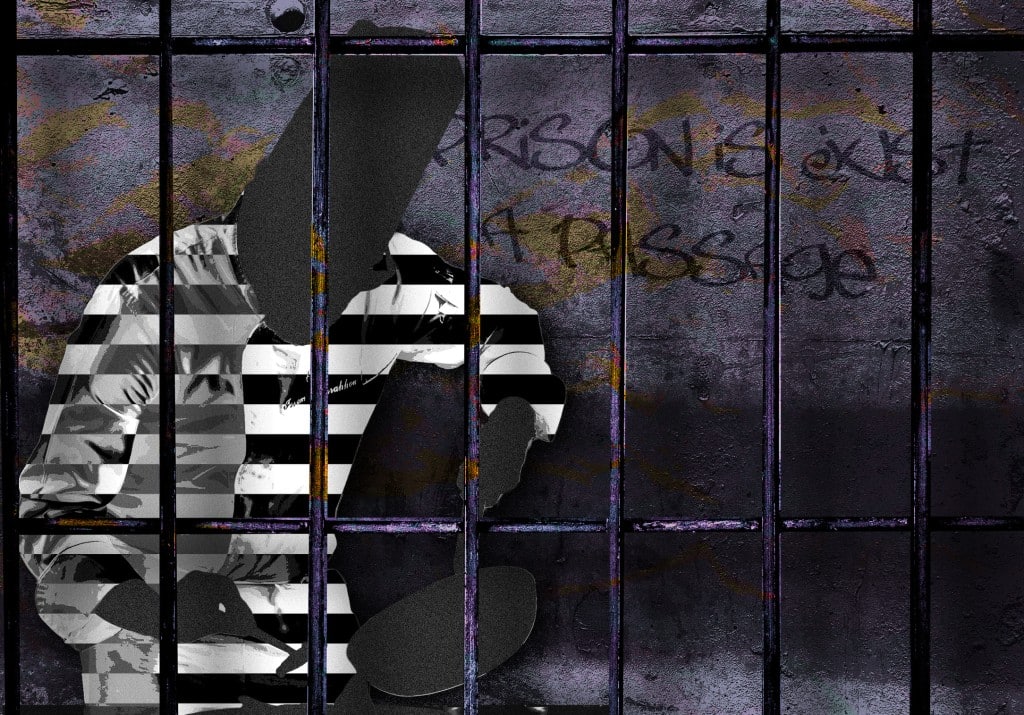
Prison Recipes By and For Incarcerated People by Natalia Rivero Gómez
What do people eat in prison?
Natalia’s story “Prison Recipes By and For Incarcerated People” dives into a cookbook, La Cantine (the first of its kind), made by incarcerated people in Quebec, featuring recipes like Oreo cheesecake, burrito Doritos, and a monstrous grilled cheese. They are wonderfully scrappy and imaginative recipes that make use of the little freedom and access to ingredients inmates have. The cookbook itself reflects this DIY spirit, with handwritten recipes and drawings that show that being creative with food doesn’t have to be serious.
Many incarcerated folks say that the food they are served in prisons is bland and horrible, serving as nothing but fuel to keep them alive. Natalia writes that La Cantine is inspired by the desire to bring back to inmates the joy, pleasure, and playfulness that food can represent.
Natalia Rivero Gómez’s pick

Is a Gatineau Homeless Encampment in the Hands of a Real Estate Company? by Neha Chollangi
Choosing just one story that I like from Neha is hard, because in every piece she writes, Neha takes the time to carefully describe the spaces and moments that make up people’s lives, while also reporting on human rights violations and reflecting on the human experience. “Is a Gatineau Homeless Encampment in the Hands of a Real Estate Company?” is just one of the great stories Neha worked on this year. In this piece, Neha did an amazing job capturing the nuances that a project like the transition village for homeless people can have.
I remember when she received the news that her source Jimmy Wilson had died three days before receiving his container, before the article was finished. She talked to Chris and Savannah about what would be the best thing to do with Wilson’s interview — whether it was appropriate to include his story. These ethical debates usually happen backstage, and readers don’t get to experience the full process of writing a story. However, I can see those conversations reflected in Neha’s writing. In this story, her thoughts about care, responsibility, and how to tell these stories properly are clearly present in the way she portrays people with respect, attention, and humanity. This is what makes Neha’s work so meaningful. She does not simply tell stories — she carries them with care. This piece reminds me that journalism is not only about informing, but about honouring the lives of the people behind the headlines.
Isaac Peltz’s pick

Toutes les voix, vraiment? par Marie-Élaine Guay
Voici comment s’est amorcée mon histoire d’amour pour l’œuvre remarquable de l’écrivaine, poète et femme extraordinaire Marie-Élaine Guay. Son travail constitue une véritable richesse pour l’ensemble des médias québécois. The Rover s’engage à diffuser régulièrement des écrits aussi audacieux, ce qui me remplit de joie. Il est réconfortant de constater que des auteurs francophones de talent sont prêts à défier les limites de l’écriture et du journalisme traditionnels.
Qu’est-ce que la liberté d’expression ? En 2025, la question de la neutralité est plus pertinente que jamais. Nous avons vu le génocide à Gaza atteindre des sommets d’horreur, avec des enfants abattus et torturés, tandis que les médias canadiens ont cédé face à des intérêts corporatifs qui leur imposent le silence. À moins qu’ils ne gardent le silence par crainte de représailles à l’égard de leurs journalistes.
Quoi qu’il en soit, cela met en évidence le courage des voix radicales qui nous inspirent.
Depuis le début de l’année, de la première phrase de Marie-Élaine jusqu’à la dernière de l’année, « Des inquiétudes selon lesquelles cet épisode pourrait être perçu comme une capitulation face à des intérêts influents persistent »,et finalement en passant par son refus de participer à l’émission Dans les médias parce qu’elle ne parle pas des vrais problèmes systémiques, Marie-Élaine a révélé sa véritable nature et la vérité de son travail. J’ai hâte de collaborer avec elle l’an prochain, car chaque texte est destiné à nous faire sourire, ou de nous laisser sans voix, indignés et prêts à passer à l’action.
Savannah Stewart’s pick
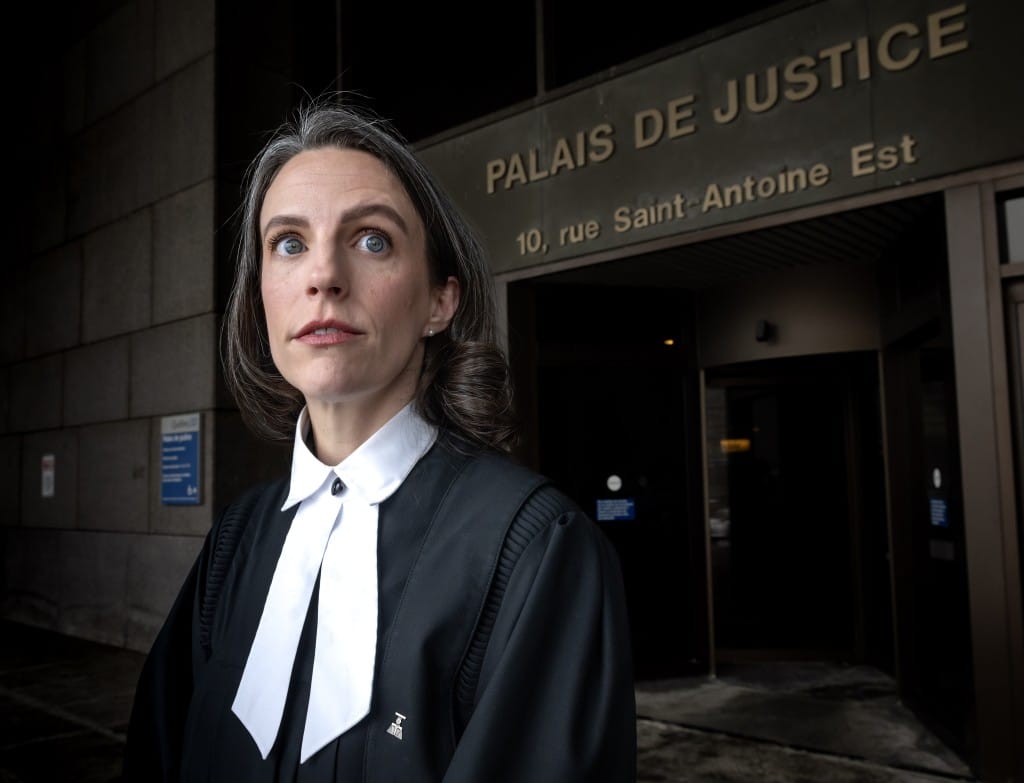
Quebec’s Injustice System by Christopher Curtis & Hal Newman
In “Quebec’s Injustice System,” Chris and Hal take us to meet a public defender working to fix the system from the inside and visit the Leclerc Prison in Laval. They introduce us to people like Vivian*, who got swept up by the court system amid the chaos of living on the streets. They remind us that prison inmates are people, too, who deserve basic human decency. Often, they are simply guilty of the crime of being poor.
In the five years since Chris started The Rover, the mission of this publication has come into sharp focus: our job is to document the implosion of our social and public institutions in the name of neoliberalism. With “Quebec’s Injustice System,” Chris and Hal turn their attention to Quebec’s crumbling justice system, laying bare the multifaceted issues plaguing our provincial courts and prisons. It’s a desperate situation.
Politicians don’t run campaigns on the promise to renovate jails or improve access to legal aid — those aren’t seen as vote-winning initiatives. It’s easy, societally, to turn our nose up at issues affecting our justice system. But the harsh reality is that most perpetrators of crimes were themselves victims at some point. The justice system, as it exists in this province and across North America, is not succeeding at reducing harm.
Christopher Curtis’ picks
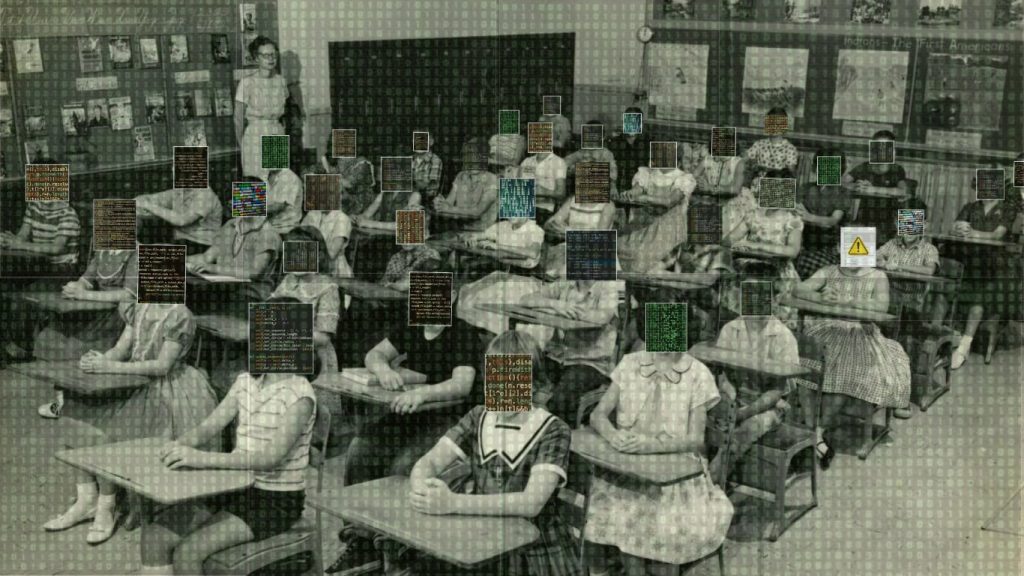
Quebec Schools Turn to AI to “Analyze Risks” to Students by Isaac Peltz
The first time Isaac Peltz attempted to write a news article for The Rover, it read like an acid trip.
Isaac took my advice to “get creative” in the story’s opening and went full novella on me, making up a fictional character called Gino and somehow working the term “little bitch” into the copy. I was mortified. But somehow, the second draft in this story was clean, well-paced, and the facts Isaac outlined were an indictment of our rapidly deteriorating education system.
In the end, their story about two Anglo schools going without a social worker for three years had an immediate positive impact on the community. Under mounting pressure from the investigation, they wound up getting that social worker to help special needs kids in our public school system.
Following that, Isaac received a tip that a school on Montreal’s north shore would be feeding students’ highly personal information — their age, disabilities, parents’ level of education, gender — into a giant AI program to “analyze risks” the child might face in the future. Whatever that means. The best part? Parents were not allowed to opt their children out of the AI dump. Cementing the story’s dystopian undertones, Isaac quotes a government official who says, “Yes, this is ethical,” and “No, they can’t opt out.”
The great thing about having a publication that doesn’t rely on advertisers or corporate sponsorships is that you can take an unblinking look at just how bad things have gotten. This story evokes the image of our government feeding children to a giant thinking machine, which is as good a metaphor for this present moment as I can come up with. It’s also vintage Isaac Peltz reporting.

Palestine on Campus by Savannah Stewart & Justin Khan
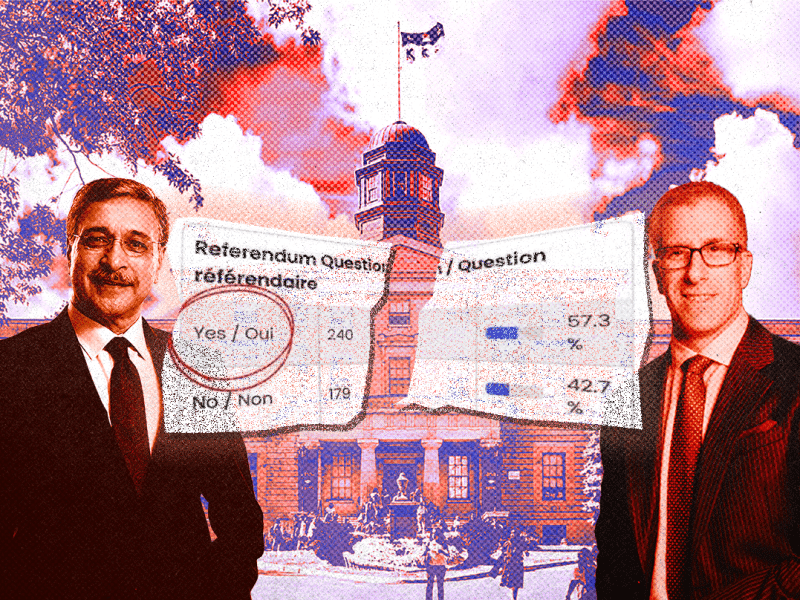
Immediately after students at McGill University erected the Gaza encampments on the campus’s north field, the university reached into a toolbag of dirty tricks to crack down on dissent. Instead of considering the protesters’ requests — that McGill’s endowment fund divest from the armaments industry — the school hired private security to film “problematic” students and build a dossier against the protesters. The school also used legal jiu-jitsu to invalidate referendums held by the student society and acquiesced to the demands of its largest donors, who seemed to guide policy by virtue of having given millions to the school’s athletic programs.
The worst among them, Sylvan Adams, is a personal friend of Israeli Prime Minister Benjamin Netanyahu’s who admitted to arming reservist groups of the Israel Defense Forces, an army accused of committing genocide by just about every credible human rights group in the world.
Of everyone I might suspect of diving headlong into this cloak-and-dagger world of politically-connected millionaires and spies-for-hire, Savannah Stewart’s name wouldn’t be at the top of that list. Savannah is the kind of person who files her income taxes at 12:01 a.m. on Jan. 1. If the sign says to keep off the grass, Savannah’s keeping off the grass. AND YET, throughout the course of writing, reporting and filming this documentary, she went toe to toe with some of the city’s biggest power brokers and more than held her own.
Savannah and her co-director Justin Khan did this on a shoestring budget without any experience making documentaries. They taught themselves every trick they could and, in the end, made something I am incredibly proud to have been a (tiny) part of. When we hosted a screening of the documentary, it sold out in under two days. Well, I’m not sure if I can use the word “sell” since it was free, but it is one of my favourite memories in five years at The Rover.
Marie-Élaine Guay’s contribution (having missed the email with the instructions and freestyling the assignment beautifully)

Christopher Curtis et The Rover sont ma découverte de l’année.
J’ai découvert le travail de Chris et de The Rover sur Instagram, à travers des reels animés par Chris. Je trouvais sa manière de couvrir l’actualité tellement badass : un regard différent, teinté de moquerie, loin de la rigidité journalistique habituelle, mais toujours solidement appuyé sur des faits. J’ai trouvé rare et précieux d’entendre parler de sujets et de communautés dont on ne parle jamais ailleurs.
Chris est rapidement devenu un ami, un allié, une personne vers qui me tourner pour des conseils et des encouragements que je n’ai jamais eu besoin de solliciter. Grâce à cette proximité grandissante et notre amitié, j’ai pu rencontrer Isaac et toute la gang de cool reporters ainsi qu’apprécier tout son humour et sa solidarité en dehors de nos échanges dans le cadre du travail.
Chris a aussi été un allié indispensable lorsque, déçue et désillusionnée, j’ai quitté les médias traditionnels pour rejoindre The Rover et y devenir la toute première chroniqueuse régulière et, à ma grande surprise, peut-être une genre de journaliste.
In your Oct. 7, 2024 opinion piece, you say: “But we don’t live in a moral world.”
But I’m tempted to say you make this amoral world a lot better.
Merci pour la confiance. And there’s no one on earth like you.
Authors





Colombian journalist in Montréal. I love podcasts. Raccoon enthusiast 


Comments (1)
Leave a comment
Related Articles
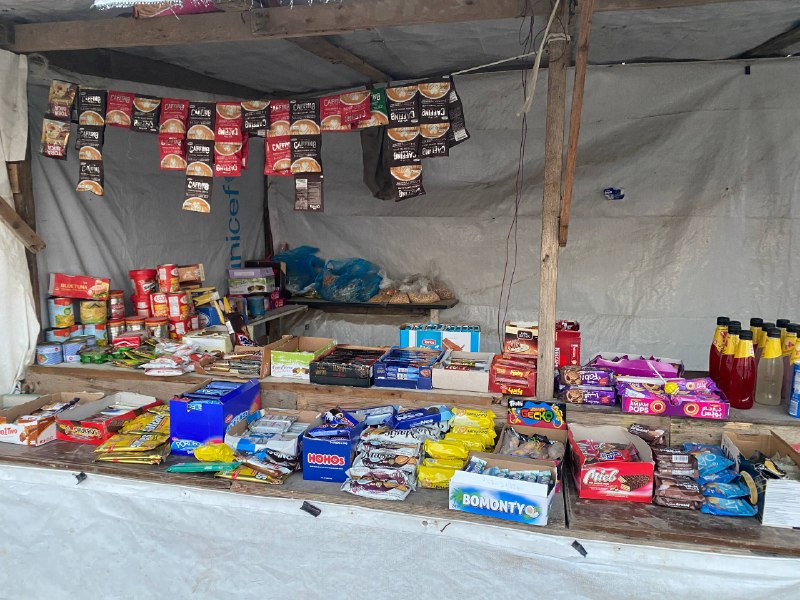
Gaza: A Healthcare System on the Brink of Collapse
Drug shortages, growing famine, and daily deaths.
OPINION: Why is McGill Fighting to be on the Wrong Side of History?
The university insists on silencing its students as they push McGill to take a stand on genocide.

A Road Trip Through Trump’s America
What a week in West Virginia reveals about the direction of the United States.
Bonne année à vous touste! Merci pour votre beau travail, c’est super important et j’en suis super reconnaissant!!