
Condos vs Community: Montrealers Fight for Housing Solutions
Montreal is preparing for redevelopment in Bridge-Bonaventure. Will we use this opportunity to invest in solutions to the housing crisis?
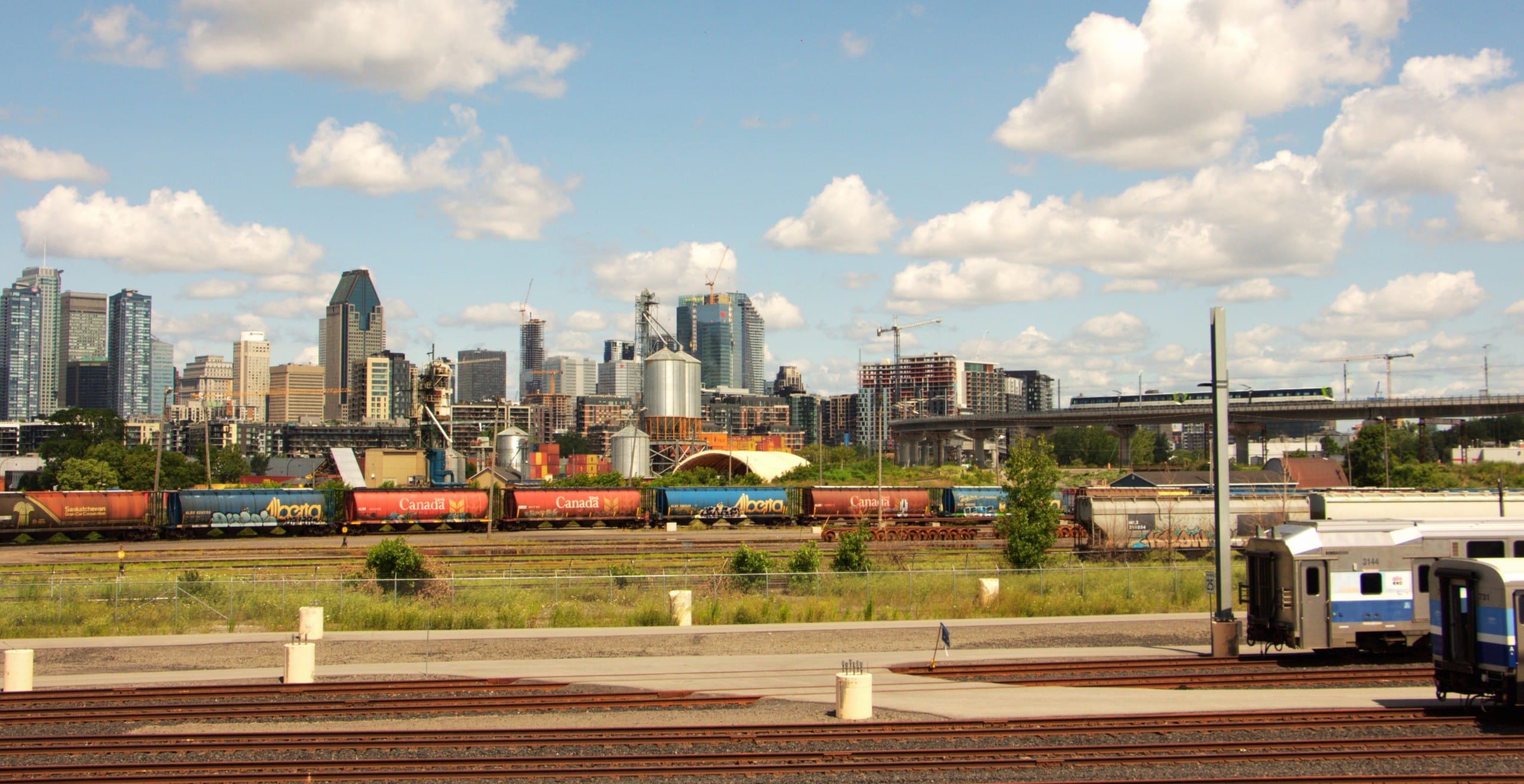
You may not have heard of the Bridge-Bonaventure sector by that name, but every Montrealer knows the place.
Think of the Farine Five Roses sign, the Bonaventure Expressway, the Victoria Bridge, Mel’s Cité du Cinéma, Habitat 67. This was once the beating heart of Canada’s industrial sector, a place where millions of tonnes of grain, steel and lumber were loaded off boxcars and onto ships bound for the Atlantic. Now that most of Montreal’s heavy industry has been decommissioned, it’s a place people drive through on their way downtown.
But if you care about finding real solutions to the housing crisis, you should be paying attention to the future of Bridge-Bonaventure.
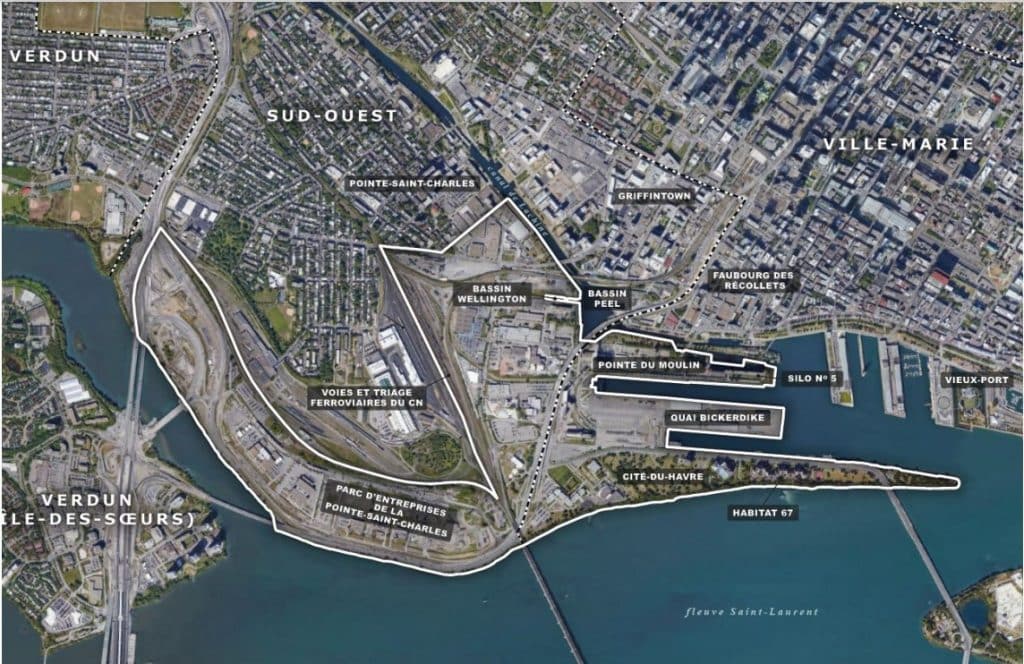
This 500-acre stretch of industrial land, mostly in Pointe-Saint-Charles but also extending into Ville-Marie, is the site of one of the most important redevelopment projects in the city. And the question of housing — the most contentious issue among the project’s different stakeholders — is far from resolved.
Montreal is deep in a housing crisis. One in five Montreal households can’t afford to pay both rent and necessities, and the average cost of rent rose by 5.4 per cent from 2021 to 2022, the highest single-year increase in 20 years. Experts say one of the most effective solutions is to invest in non-market housing (social housing, cooperatives, long-term care facilities, etc.), which provides a roof for people without causing upward pressure on the market. In this context, it is essential to build a mix of social and community housing, say community groups, housing experts, and even serving politicians.
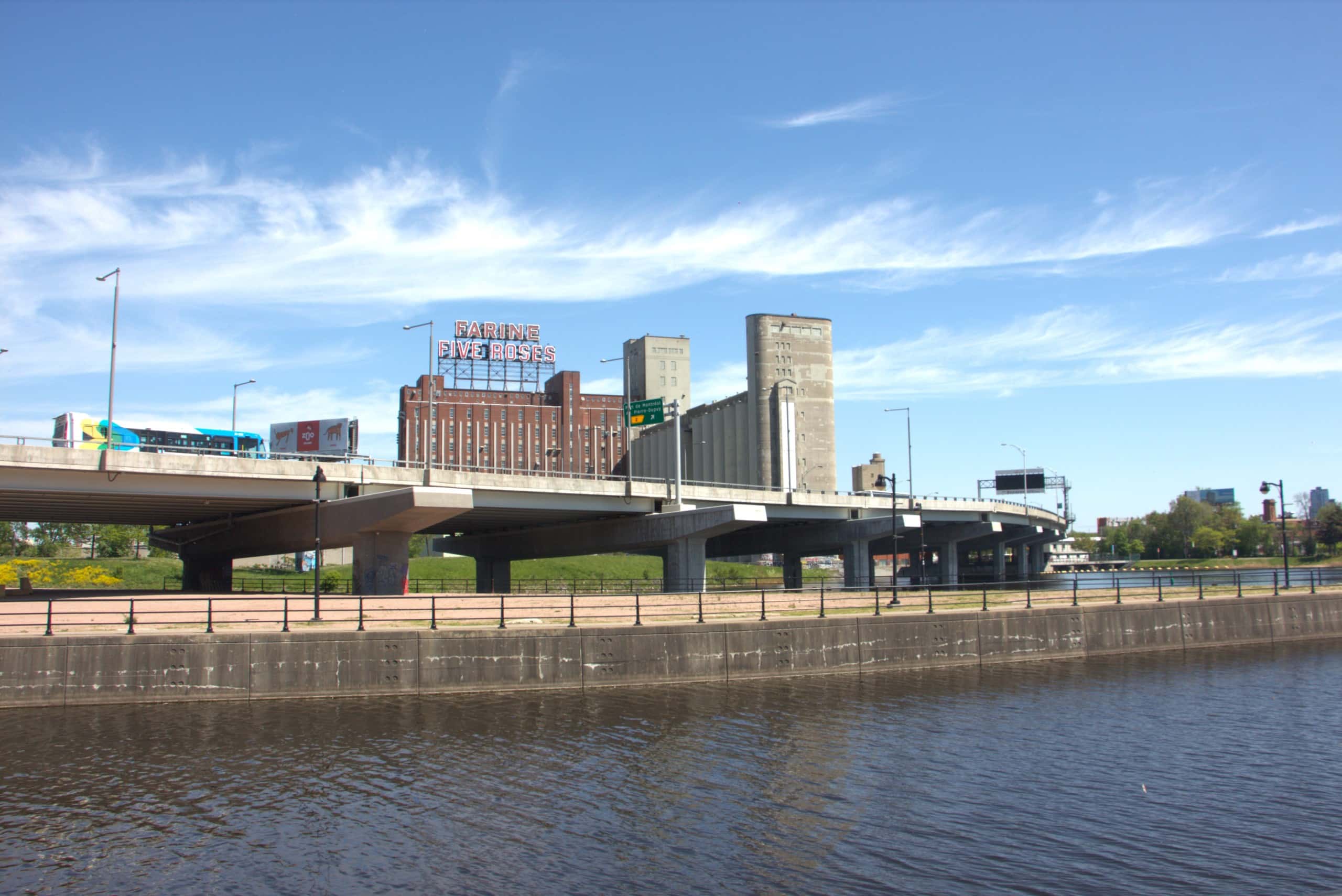
Large stretches of public land are there to do just that, they say, arguing that public land that has been paid into by taxpayers should not be transferred into the private housing market, especially not in a housing crisis. But the private real estate developers with a foothold in the area are making their case for privatized housing, lobbying for development that will yield a profit which is by definition incompatible with a non-market housing project.
The City of Montreal’s Plan directeur de mise en valeur will dictate the kind of development that takes place in Bridge-Bonaventure, including zoning changes that would impact density and building heights, and make or break truly community-oriented development. That plan, the result of consultations with stakeholders since 2019, is now under the scrutiny of a commission at the Office de consultation publique de Montréal (OCPM), tasked with providing recommendations based on an extensive process assessing how the public feels about the content of this proposed Plan.
Here are the four most important things you should know about the redevelopment at Bridge-Bonaventure.
1. It’s at the centre of a dogfight over identity, community and housing in Pointe-Saint-Charles
Before the gentrification that swept through Pointe-Saint-Charles in the last 20 years, the area boasted a non-market housing rate of 40 per cent, one of the highest in the country. This was not an accident — it was the result of a mobilized working-class that fought tooth and nail to create long-term affordable housing. And it has worked: though the share of non-market housing in Pointe-Saint-Charles has dropped to roughly 27 per cent because of condo projects built since the early 2000s, the area’s historic residents haven’t entirely been pushed out by skyrocketing housing costs thanks to those efforts.
As ground zero for Canada’s industry, the neighbourhood sprung up around the trainyards and factories where its residents worked. Working-class francophones settled around the Lachine Canal in Pointe-Saint-Charles’ northern portion, while the south was the settling ground for Irish immigrants who built the railways that modernized the Canadian economy. Later came waves of immigrating Eastern Europeans followed by Caribbean rail workers who found a strong sense of community solidarity here.
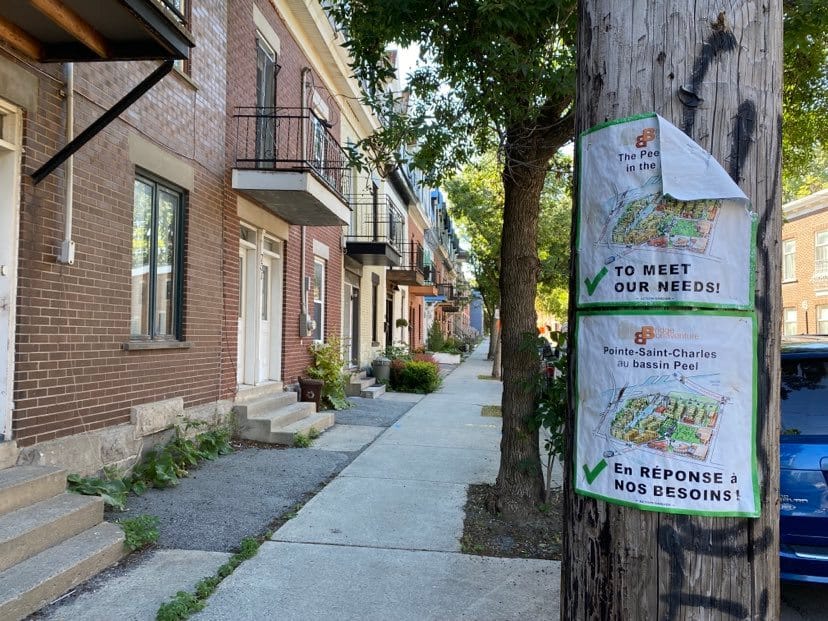
But the neighbourhood’s population has shifted markedly. Those who weren’t lucky enough to get into a co-op have largely been priced out of the private rental stock in the area. There has been a prolonged exodus out of “the Point,” as duplexes are bought up and flipped for a profit, leaving the people who rented them to find housing further and further away from the downtown core.
Stories of renovictions have long been making the rounds. Evocative scenes like luxury condos built next to the Saint Columba House community centre, or a Tesla parked a stone’s throw away from a halfway house, have become a commonplace experience living in what was once dubbed Canada’s toughest neighbourhood.
The group that was the catalyst for such high rates of non-market housing in the area, the historic Projet Saint Charles, has a waitlist of 1,150 households who need to find housing at an affordable price.
The high proportion of social and cooperative housing here has created a particularly conspicuous mixité sociale as young professionals and families bought into the area en masse. The neighbourhood is changing, and there are fears that the departure of its historic residents will mean the disappearance of the neighbourhood’s identity. Those who remain, in an area that has so far kept its pronounced activist edge, are hopeful the city will seize on the opportunity Bridge-Bonaventure presents to further Pointe-Saint-Charles’ heritage of strong social nets and community solidarity.
Non-market housing is part of Pointe-Saint-Charles’ past and present, and many speakers came to the commission to argue that it must be part of its future, too.
2. There are big players in the game
During the ongoing OCPM consultations, commissioners heard 59 opinions presented by real estate developers, community and environmental groups, politicians, scholars, architects, historians, businesses and concerned citizens. Another 54 written opinions were sent by members of the public, and “numerous” responses to an online questionnaire are also being considered.
These stakeholders are using this opportunity to try to shift the plan closer to their desired vision, be it high-density condos for the private sector, or moderate-density, non-market housing for the community groups. The commission is now drafting its final report, to be finalized in the fall.
Even before it was identified as a strategic sector in the city’s 2015 Schéma d’aménagement et de développement, a massive redevelopment plan for the Island of Montreal, Bridge-Bonaventure has been drawing the interest of private developers who’ve been buying up whatever land they can because of its high economic potential. It’s right next to Griffintown, a mini-city that sprung out of the ground in just a few years, and the newly-built REM passes through, though as of yet there is no official plan for a stop within the sector. It’s also mostly undeveloped land, as various industrial buildings (and an entire neighbourhood) were demolished when the area surrounding the Lachine Canal was de-industrialized in the 1900s.
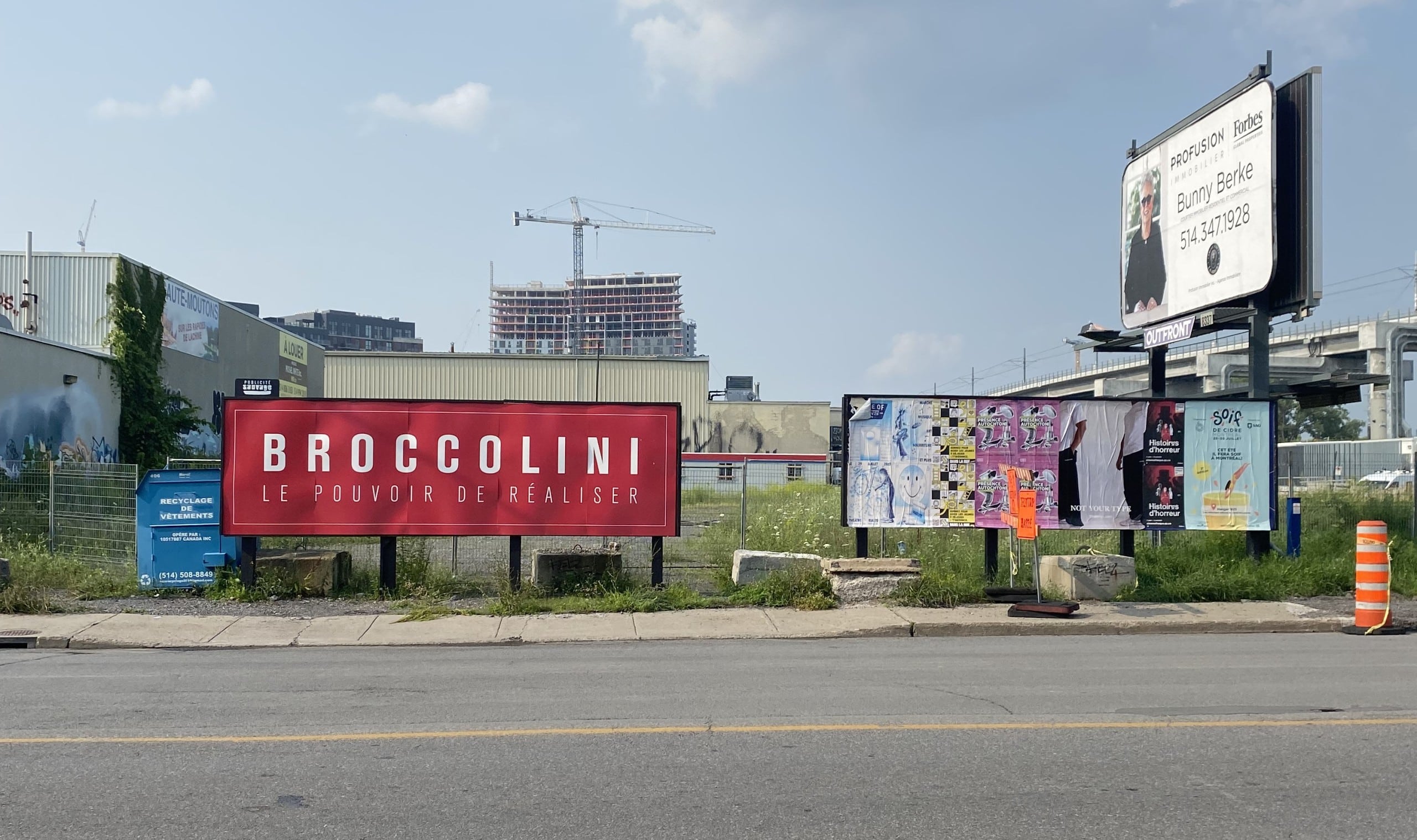
Community groups are as invested in whatever goes up in Bridge-Bonaventure as the private developers, particularly the well-established Action-Gardien in Pointe-Saint-Charles. Alongside the lots owned by developers like Groupe Devimco, Broccolini Construction, and Groupe MACH are the largest stretches of public land so close to downtown Montreal, owned by Canada Lands Company and Loto-Quebec – land Action-Gardien and many others are arguing should stay public.
The real estate developers, advocating at the commission both independently and all together as a consortium, and Action-Gardien have submitted their own redevelopment plans for the sector, making their case for their vision. Both the consortium and Action-Gardien plans have the backing of different experts. Where Action-Gardien has a leg up is it also has broader community support in Pointe-Saint-Charles, as its plan was developed through community consultation and signed onto by over 3,000 residents.
3. It presents an unparalleled opportunity to address Montreal’s housing crisis
The city’s plan outlines a vision for the sector that purports to honour its industrial past by prioritizing industry and employment, while aiming to create 7,500 new housing units, mostly on the Canada Lands property known as the Wellington Basin. With no quotas for non-market housing, the plan outlines the city’s intention to negotiate with Canada Lands in hopes of surpassing the provisions of the Règlement pour une métropole mixte (RMM) for its property. That’s the municipal legislation that seeks 20 per cent each of social, affordable, and family housing in new projects.
This legislation has been criticized by housing activists because it makes it too easy for developers to pay out instead of building the social housing units, and affordable and family housing are privatized so don’t guarantee real affordability. Even so, 20 per cent social housing is the floor set by Montreal in Bridge Bonaventure. We don’t know what the ceiling is.
Citizens, politicians and public groups took to the microphone to hammer home the critical need for social and community housing, or more out-of-the-box options like public land trusts (what is being deployed at the Technopôle Angus – a long-term lease in which the money put into your home is more like a deposit than paying rent, to summarize extremely briefly).
The Direction régionale de santé publique de Montréal recommended setting social and community housing quotas superior to the RMM for all housing development in the sector — even on private land. The Member of the National Assembly representing the Saint-Henri–Saint-Anne borough which includes Pointe-Saint-Charles, Québec solidaire’s Guillaume Cliche-Rivard, has called for “ambitious” non-market housing targets and keeping public lands public.
Margot Silvestro, a community organizer for the Pointe-Saint-Charles community clinic, said the lack of adequate housing is a barrier to health that has long affected the working class, with even middle-income families feeling the squeeze now.
“We absolutely must build a massive project for non-market, social, community and subsidized housing. The need is glaring. The housing developments of the last 20 years have not fixed the crisis – on the contrary, they have accentuated it. It is absolutely necessary, and I insist, it is absolutely necessary to stop this type of development,” she said.
When asked why the community clinic supports the moderate-density development plan put forward by Action-Gardien, which would provide fewer housing units than the high density proposed by the private developers throughout the consultations, she replied:
“If we look at Griffintown as an example, or the recent high-density condo projects in the downtown core, that density has not done anything to quell the crisis. Nothing at all. There are as many, if not more, households waiting for affordable housing.”
“The housing crisis in Montreal and other large urban centres in Canada is not accidental nor temporary. It is a crisis that is largely created by people, primarily real estate developers.”
—Francis Dolan, community organizer with Regroupement Information Logement
What the developers build is simply not what the community needs, she said, noting that condo projects like the ones being proposed by the private sector in Bridge-Bonaventure are generally smaller units intended for a first-time buyer clientele or retired couples selling their family house in the suburbs to move back to the city – not the clientele living in Pointe-Saint-Charles, two-thirds of whom are renters (the same rate as Montreal as a whole).
After all, she said, up to one-third of the housing in Griffintown was used as investment property rather than serving to actually house community. That’s according to a 2020 report by Canada Mortgage and Housing Corporation.
“The housing crisis in Montreal and other large urban centres in Canada is not accidental nor temporary,” said community worker Francis Dolan, during testimony before the commission. “It is a crisis that is largely created by people, primarily real estate developers but also public decision-makers who either encourage or passively assist in the erosion of our social fabrics and the urban structure as we know it today in our working-class neighbourhoods.”
4. Whatever gets built will be extremely costly – but we don’t know just how much yet
When Québec solidaire MNAs Cliche-Rivard and Massé took their turn passing in front of the commission, Massé gave an impassioned speech about the need for non-market housing.
“The Quebec government clearly needs to start acting to fix the current crisis. We can’t simply react once a new (homeless) encampment shows up because people can’t find a place to live. We have to react to situations as they arise,” she said. “And for the provincial government right now, that means investing in non-market housing.
“The project that is on the table can get us there if the Quebec government does its part by using the Loto-Québec property to build entirely non-market housing. I recommend our colleagues at Canada Lands do the same with their property.”
Yet when asked about how concretely we can fund that development, Massé’s answer felt incomplete: essentially, “We have the land; let’s fund it through our governments.”
It’s an unsatisfactory answer because our provincial and federal governments have proven that they have little interest in doing that.
The federal government’s latest budget continues a trend of promoting home ownership and affordable housing (which is usually privatized and its cost tied to rising market prices, thereby not guaranteeing actual affordability) and does not invest in social or non-market housing in a meaningful way. Meanwhile, Quebec recently scrapped its only program dedicated to funding social housing, replacing it with a call-for-projects program for funding to create affordable housing that is also open to the private sector — so nonprofits compete with real estate developers to fund their housing projects. That program also renders new social housing projects through provincial funds effectively impossible, because the sums provided are too low to cover construction and require other funding streams to supplement.
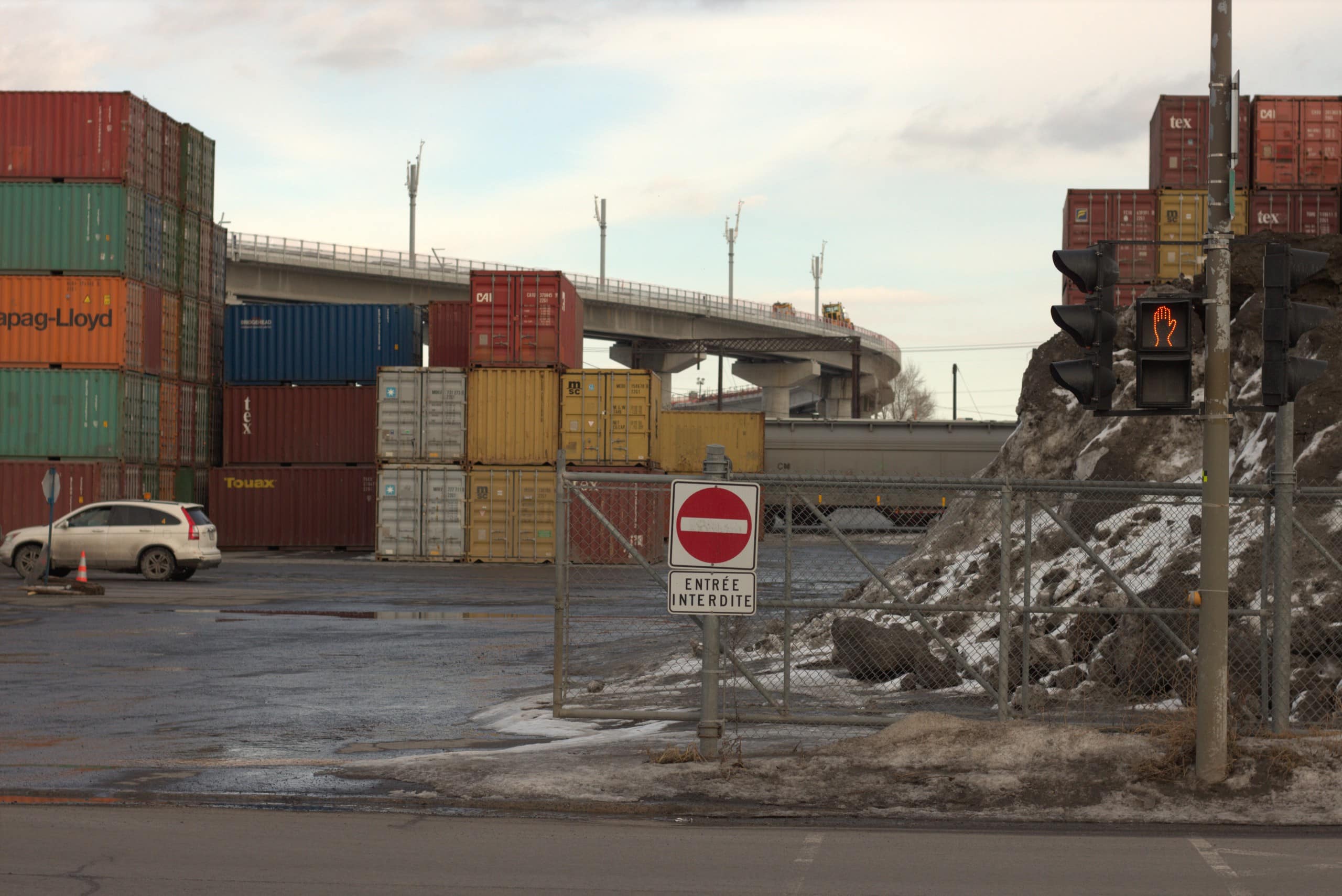
And before even getting to the point of building, there are the decontamination costs. Because Bridge-Bonaventure had long been the site of heavy industry, the cost to decontaminate the grounds is in the hundreds of millions for the entire sector. At the commission, Canada Lands representative Christopher Sweetnam-Holmes said they believe they’re looking at an $80 million price tag just to decontaminate the Wellington Basin.
The argument put forward by the developers is that high-density residential development was necessary to cover the high decontamination costs. What’s difficult to know at this stage is exactly what those costs are and what level of density would truly be needed in order to offset. Without that clarity, there will inevitably be concerns that any high-density private development in the area will be an exercise in maximizing profits for shareholders. Devimco Immobilier is lobbying the provincial government for funding to build in Bridge-Bonaventure, before the plan is even finalized.
Still, the question of who foots the bill for a massive non-market housing project on contaminated land is a valid one.
When I ask urban planners or housing experts who support such a project how it could realistically be funded in this political climate, the answer is usually that governments find the money to fund things they believe are important, and if Canada and Quebec don’t believe non-market housing is important, then it’s up to their citizens to show them it is.
Of course, it’s one thing to propose, and another thing to actually get enough people mobilized for the cause. But it’s not just the people of Pointe-Saint-Charles with a stake in the outcome — whatever gets built in Bridge-Bonaventure will house the Montrealers of today and tomorrow.
At least on some level, the provincial government does understand that the existing housing stock is insufficient. Premier François Legault stood with Canada’s other premiers at a first ministers’ meeting in Winnipeg this past week, calling for more money from the feds for infrastructure, including housing.
Through all the questions and uncertainty, there’s something that’s for sure: we are years away from shovels breaking ground in Bridge-Bonaventure, let alone the completion of its renewal. Anything can happen in the meantime.
Author

Comments (1)
Leave a comment
Related Articles

Quebec Workers Experienced a “Counter Revolution” Under Jean Boulet: Experts
The outgoing labour minister leaves behind a legacy of attacking the Constitutional right to strike.
Blainville Teenager Takes Stablex Fight International
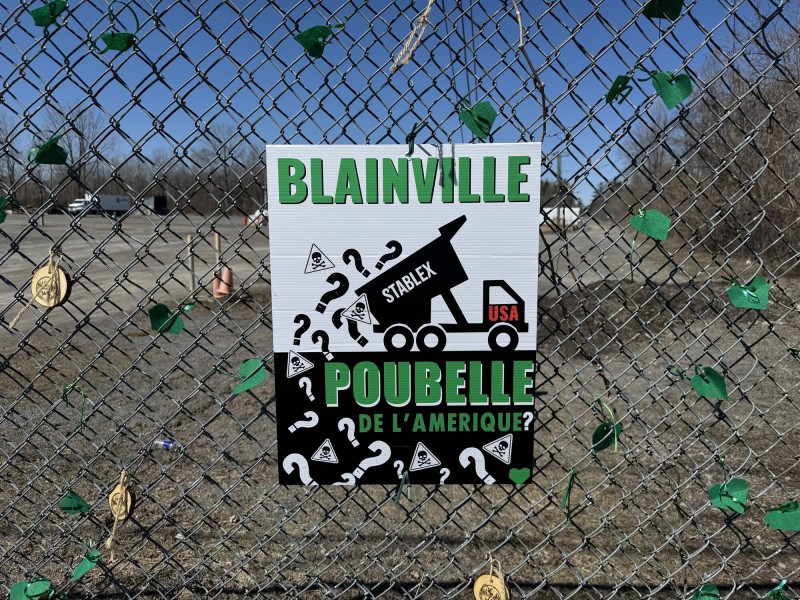
After concluding that local avenues had been exhausted, a 14-year-old Blainville resident has brought the fight over the Stablex hazardous waste expansion before the CEC, an international environmental body established by Canada, the United States, and Mexico.
Parched, Harassed and Dispossessed: A Montrealer’s Correspondence on Violence in the West Bank
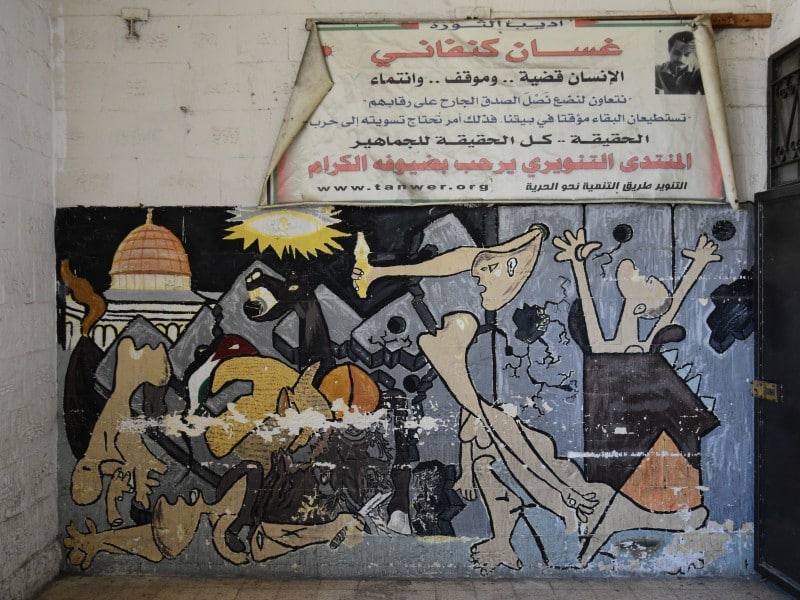
I volunteered with the International Solidarity Movement in the West Bank in October 2025. It was the most violent year to date in terms of settler attacks against Palestinians.
keep up the good work.