
Gaza: A Healthcare System on the Brink of Collapse
Drug shortages, growing famine, and daily deaths.
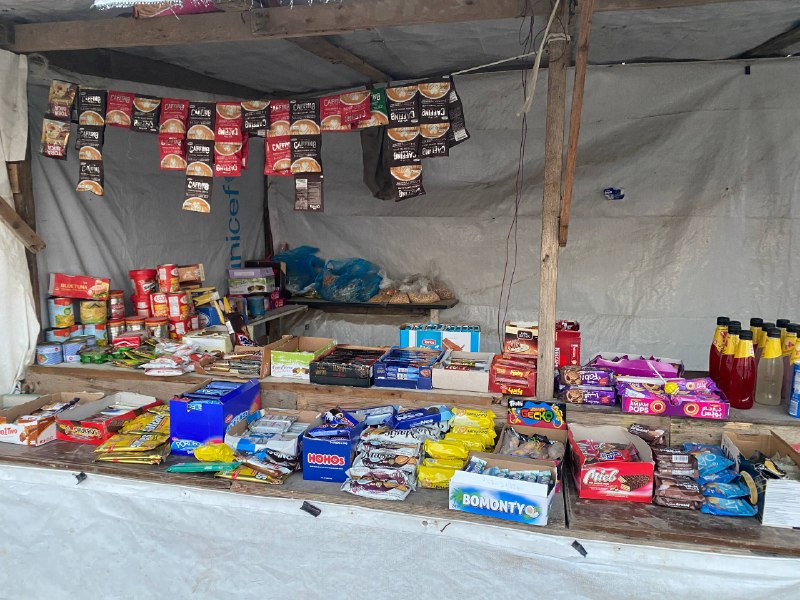
Gaza is sinking into an unprecedented humanitarian and health crisis, where the collapse of the healthcare system coincides with a rapidly worsening food crisis and a steady rise in the number of casualties.
According to the health authority in the Gaza Strip, the toll from the Israeli aggression has reached 72,302 dead and 172,090 wounded since October 7, 2023. Since the ceasefire on October 11, 2025, 723 people have been killed, 1,990 wounded, while 759 bodies have been recovered from the rubble — proof that even after the war, death continues to emerge from the ruins.
A healthcare system on the brink of collapse
The Palestinian Ministry of Health in Gaza warns of a “dangerous and unprecedented” situation, the result of a prolonged war and a strict blockade that have significantly reduced hospitals’ ability to provide essential care.
Dr. Alaa Helles notes that this shortage directly threatens more than 10,000 surgical procedures due to a lack of medications and medical supplies.
These figures illustrate the scale of the crisis:
- 321 essential medications unavailable (52 per cent shortage);
- 710 medical supplies completely depleted (71 per cent shortage).
In vital departments:
- 38 per cent shortage in emergency and resuscitation care;
- 200,000 patients deprived of emergency care
- 100,000 patients deprived of surgical procedures;
- 700 patients without access to intensive care.
The shortage of treatments for chronic diseases has reached 70 per cent, depriving at least 1,000 patients of care, with some having already died due to lack of treatment.
The search for medication has become a daily struggle
For nine consecutive hours, Moataz Aziz, 44, who suffers from myasthenia gravis, scoured pharmacies and clinics in Khan Younis in search of a medication essential for his chronic condition. His condition has severely deteriorated due to the unavailability of medications and the lack of appropriate treatments, forcing him to go to Al-Amal Hospital. His case is no longer exceptional but now reflects a daily reality for thousands of patients in the Gaza Strip. He says: “I live in a state of constant fear and anxiety. I spend hours searching for a dose, to no avail. Doctors have warned me that any interruption could put my life in danger at any moment.”
According to experts, this situation constitutes a form of silent war against patients, exposing them to serious complications that can be fatal.
This situation is not limited to the shortage of medications. It is part of a broader crisis, where access to food has also become a daily challenge.
A worsening food crisis, amid fears of a return to famine.
While the drug shortage continues to threaten thousands of patients, access to food has also become a daily struggle for the people of Gaza.
Although the ceasefire agreement calls for the entry of 600 trucks of humanitarian aid per day, not a single day since the start of the truce has reached this level, and United Nations data indicate that the actual number remains, on average, well below this target.
In the markets that have reemerged amid the destruction, the available products are mainly processed: pasta, canned goods, sugary drinks, and processed foods, with limited nutritional value. Fresh fruits and vegetables are scarce and expensive, while protein sources, such as meat, eggs, and dairy products, are almost nonexistent.
Sarah is raising money to fund her education. You can donate here.
Meat remains inaccessible to the majority of the population due to restrictions preventing its entry as part of humanitarian aid. It is available only through commercial imports at very high prices: a kilo of frozen chicken costs around 80 shekels ($25), a price beyond reach in a devastated economy. In this context, it is sometimes easier to buy chocolate than eggs, or processed drinks than milk. Faced with this situation, fears of a return to famine are growing, particularly among the most vulnerable families, already weakened by months of deprivation.
Mona Abou Awda, 30, a mother of three whose husband has been missing since the start of the war, says: “I still don’t know what has become of him. Every day, I wait to find out his fate. I don’t have a job and I have to provide for my family on my own. I just dream of being able to buy meat for my children, but it’s impossible. The fear of hunger and of not being able to feed my children never leaves me.”
Mona is not alone. Thousands of people have been missing since the start of the war, leaving many families in anguish and facing food shortages. This is the daily reality for many Gazans, where hunger and uncertainty weigh heavily on every household.
As summer approaches, a severe environmental and health crisis is worsening in the displacement camps in the Gaza Strip. The massive accumulation of waste, the lack of regular collection, and the proliferation of stagnant water and sewage around the tents have created an ideal breeding ground for flies, mosquitoes, and rodents.
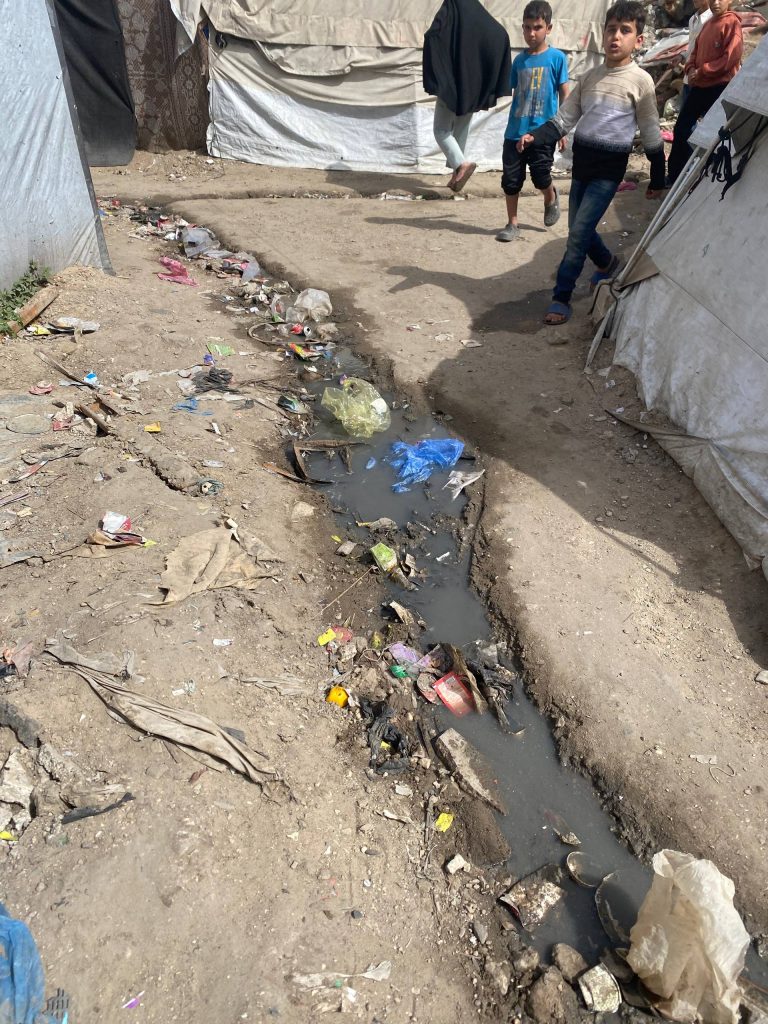
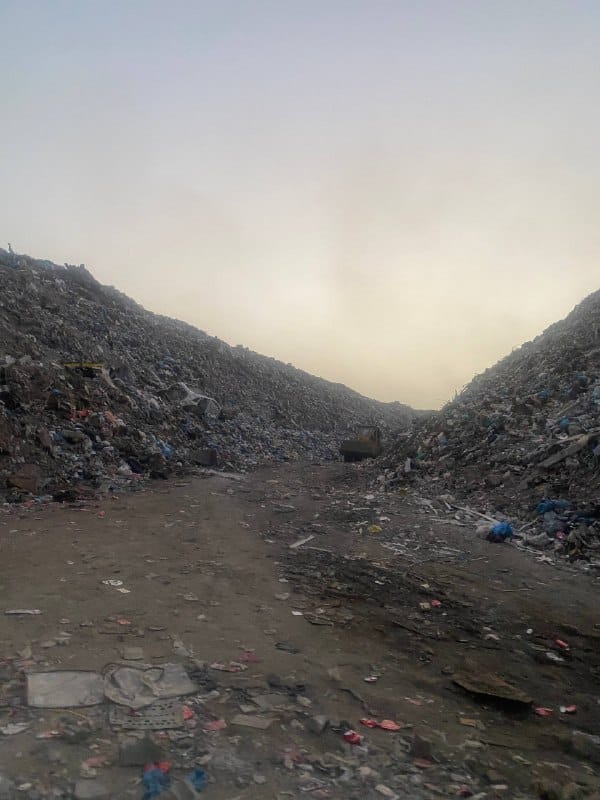
“Life in the camps has become a nightly vigil. I stay awake to protect my children and our supplies. Rodents aren’t the only danger: insects also cause painful bites and irritating skin conditions.”
Rats and rodents mercilessly invade the tents, taking over every nook and cranny. Families no longer sleep, spending their nights watching over their children, terrified, fearing attack by these small creatures.
The worst story I’ve heard among the tents: a huge rat reportedly entered the tent of an elderly man with diabetes and began gnawing on his foot without him noticing — a tale that filled me with unimaginable fear and horror.
The rodents don’t stop there: they devour families’ provisions, threatening their survival and exacerbating their daily suffering. Garbage piles up, tents are torn and dilapidated, and insects and scorpions enter unhindered. In this chaos, rats reign supreme, while hunger, disease, and fear remain ever-present.
Where is the world in the face of such horrors? How can we allow humanity to be left in such a situation? Here, daily life hangs in the balance between fear, hunger, and disease, illustrating the extreme humanitarian crisis afflicting Gaza.
Did you like this column? Share it with a friend!
Author

Comments (2)
Leave a comment
Related Articles
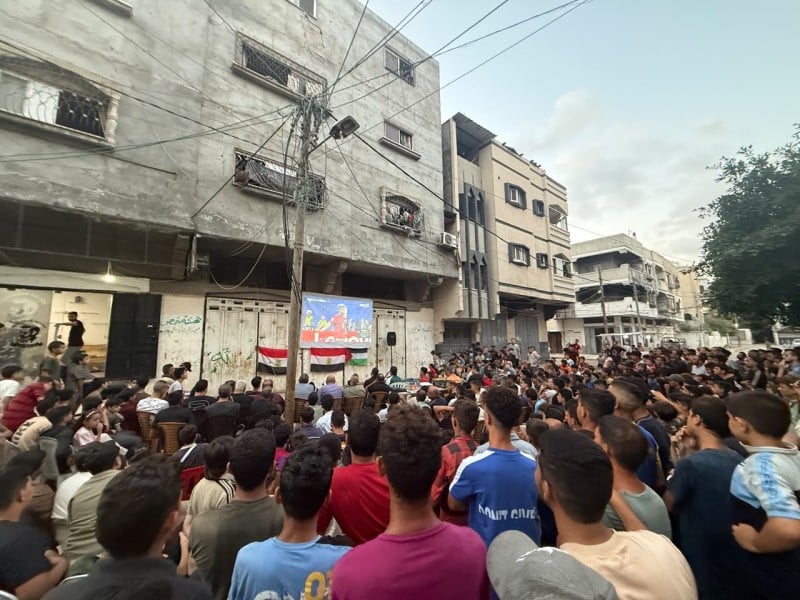
How Gazans Are Watching the World Cup
Amid power outages, fear of bombings, and the loss of the places where they once watched the games, soccer remains a rare moment of respite in a life upended by war.
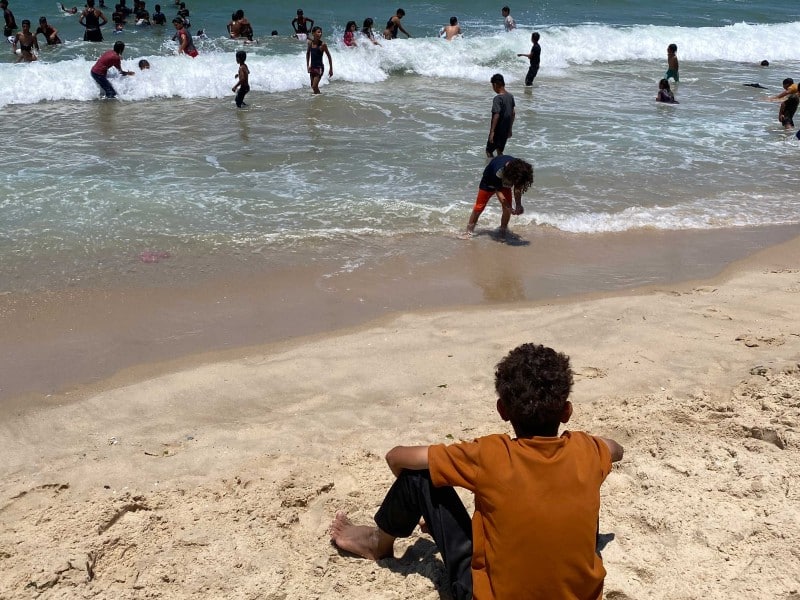
The Sea in Gaza: Memory, Survival, and the Last Refuge
Has the war changed the meaning of the sea?

Editor’s Note: The Rover Does TV News, Our Way
The Week Is Rover will bring our independent journalism to YouTube, where we’ll fight the information wars on a new front.
Al amdulilla one day gaza will be free from hamas inch alla
Thank you for this update, as painful as it is to hear. This should be making headlines everywhere, and yet…
Goes to show what a great job the Israeli government has done in dehumanizing Palestinians, not just in their own country, but elsewhere as well.