
Constitutional law, Lucky Charms and sour milk
They’re magically delicious. Until they’re not.
They’re magically delicious. Until they’re not.
“You really need to stop wearing that stupid hat.”
This is how a typical phone call from Romeo Saganash begins. No “hello” or “hey buddy,” Romeo goes right to the heart of the matter: taking me down a peg or two. I quite like it.
Romeo doesn’t own a cellular phone. That’s right, Romeo Saganash: statesman, constitutional lawyer, negotiator of the landmark Paix des Braves deal, habitual Twitter user. No phone.
So when he borrows a cell and calls, I never know it’s him until the opening salvo. Something like “You really need to stop arguing with strangers on the Internet” or “Shave your moustache.”
Before launching this project, I reached out to Romeo and asked if I should make the leap. Leaving the Montreal Gazette to go it alone, spending months in Abitibi, investigating claims of police abuse and systemic racism against Indigenous folk. If anyone could steer me in the right direction, it was Romeo Saganash.
He represented Abitibi and northern Quebec — including his homeland in James Bay Cree territory — for eight years in the House of Commons. And before that, he was at the negotiating table with Quebec and Canada, fighting to secure a better future for Eeyou Istchee (what the Cree call their territory in Quebec).
So when Romeo said he’d be an advisor on this project, it meant the world to me. Getting him on the phone is a bit tricky though.
Thursday when he called, Romeo was on Parliament Hill, stalking the halls of power with a keen eye for exactly how to stir up a little trouble. I was in the kitchen of my one-bedroom apartment, sniffing an old carton of milk to determine whether the best-before date REALLY was Sept. 24. I gambled. Lucky Charms. Slightly sour. Worth it.
“Hang on, a minute,” Romeo said. “I see David Lametti. ‘Hey David, is that legislation ready? You gotta get moving on that.’”
I took a bite of my cereal and it dawned on me that as I stood there in my boxer shorts, Romeo Saganash was at the other end of the line, giving Canada’s Justice Minister hell. I could faintly hear Lametti say something apologetic.
You would think that this would be the weirdest aspect of our relationship. That a towering political figure, a residential school survivor who — though he would never admit it — made his mark on Canadian history, would bother to associate with me, a college dropout who argues with strangers on the Internet.
But it’s not.
A few months back, I brought my dad along to an event commemorating the Oka Crisis, knowing Romeo would be there and hoping they’d hit it off. They did. Romeo told my father about his earliest memories of life in the bush and how it was so violently torn from him when he was forced to attend residential school.
He spoke about how the boys cried for their moms that first night in the dormitories. And about how they intentionally separated siblings, sending them to different schools so they’d be easier to break.
They spent about an hour together while I ran around collecting quotes for a story. On the ride home, it was clear something in my father had changed. That’s what it does to you, being around someone who’s seen what Romeo has seen and who expresses it so eloquently.
“He’s a great man,” my dad said. There wasn’t much else to say so we mostly just sat in silence, driving home together in the rain.
A few hours later, I got a direct message from Romeo on Twitter. “Say thank you to your nice father. It was great spending the morning with him.”
They met for lunch in Ottawa last week and Romeo gave my dad a book that tells the history of his homeland. Romeo wrote a postscript to the book and, when I met with my dad for lunch Thursday, he described it in great detail.
“It’s like you were right there with him,” my dad said. “We’re lucky to know him.”
People like Romeo and my father give me hope for this crazy goddamn country we live in.
Next week, time permitting, I might head down to the 1492 Landback Lane protests in Southern Ontario. If that happens, I’ll pick up Romeo on the way and maybe my father can join us. I’ve had my head buried in work lately so I’m not caught up on the latest news from there but, suffice it to say, something big is happening. Ontario Provincial Police are arresting Indigenous folk for protesting land development on their territory.
I assume we’ll get in trouble.
***
Onto some business.
Things are certainly heating up in the standoff between Anishnaabe and sport hunters in La Vérandrye Wildlife Reserve. Police are investigating at least two serious threats against the land defenders at blockades across their territory. Here’s the story we published this week.
As I write these words, a convoy of hunters is trying to circumvent the blockades so they can hunt moose in the reserve. Despite a 35 per cent decline in the forest’s moose population, Quebec issued a total of 175 permits to non-Indigenous hunters. Park rangers have been helping the hunters circumvent blockades.
Here’s our first story setting up the conflict.
Meanwhile, in the city, things feel pretty desperate too. Just about everyone I’ve spoken to tells me they’re seeing more and more people living on the streets, using food banks and slipping deeper into poverty as the second wave of the COVID-19 pandemic hits Quebec.
Got to visit a few homeless camps Tuesday and talk to some experts about the crisis. Here’s a link to that story.
When I started covering homelessness near Atwater Ave. a few years back, an addiction worker said something that stayed with me. “When someone walks out that door at the end of the day, you don’t know if it’s the last time you’ll ever see them. That’s something you have to learn quick around here.”
Just as it was back then, death is central to street life. People fall asleep under the highway and never wake up, they overdose, they die of heart failure or preventable illness. We’ll keep working on this issue to better understand the human cost of poverty but also what’s being done about it.
Next week I’ll be headed back to Val-d’Or so I can finalize the first piece in what promises to be a gruelling but necessary investigation into the abuse of Indigenous women up there. I’ve been trying to find a trailer or an RV I can live in so I don’t violate social distancing rules. Will keep you updated.

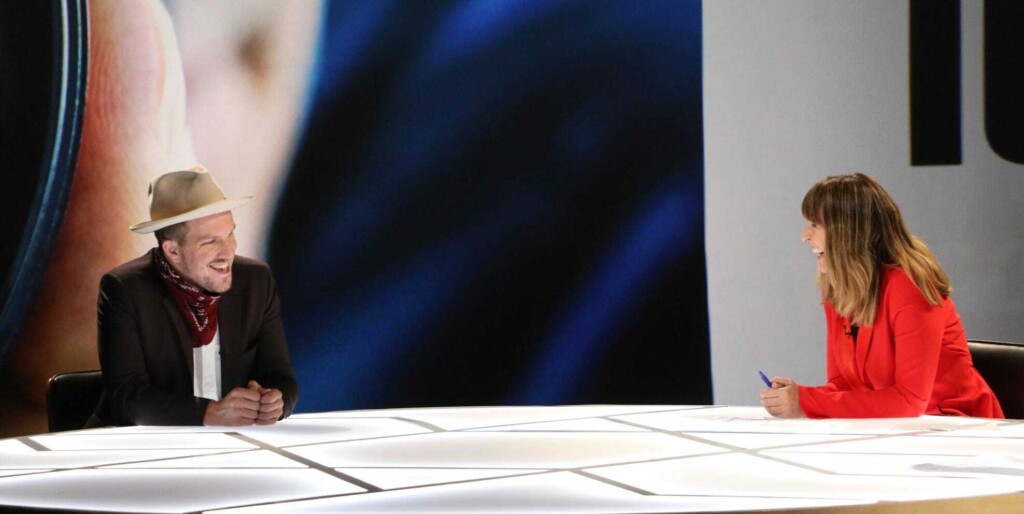
On a lighter note, The Rover was featured in this week’s episode of Dans les Médias, a television show on Télé Québec. We had a good chat about the mainstream media’s coverage of Indigenous issues. You can watch it here and see how uncomfortable I look on television, wearing a cowboy hat.
As Romeo says, I really do need to stop wearing that thing.
Your friend,
Chris
P.S. Just wanted to say thank you for subscribing. I’ve been hustling on this seven days a week for the past month and the more people who join in, the less I have to take odd jobs selling vacuum cleaners and stuff. Kidding aside, I’m so excited about the project and equally happy to have you along.
Author
Related Articles
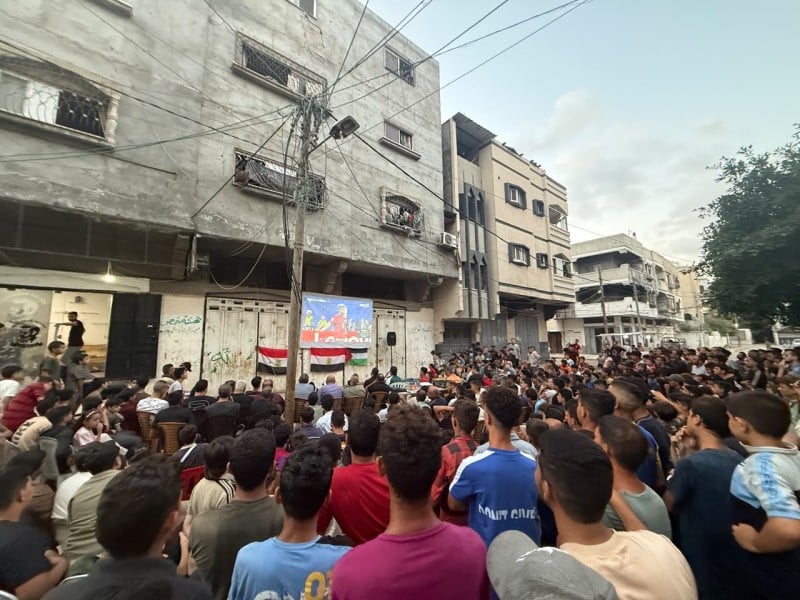
How Gazans Are Watching the World Cup
Amid power outages, fear of bombings, and the loss of the places where they once watched the games, soccer remains a rare moment of respite in a life upended by war.
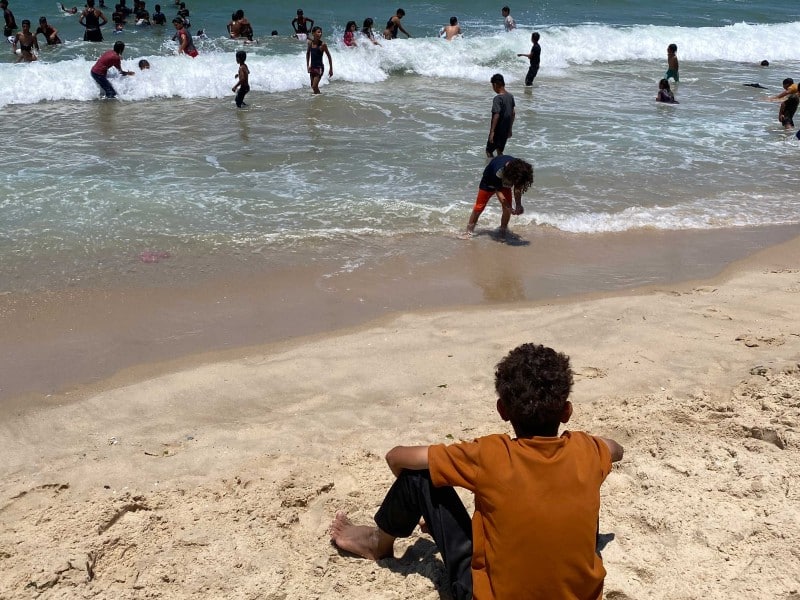
The Sea in Gaza: Memory, Survival, and the Last Refuge
Has the war changed the meaning of the sea?
Editor’s Note: The Rover Does TV News, Our Way
The Week Is Rover will bring our independent journalism to YouTube, where we’ll fight the information wars on a new front.