
Parched, Harassed and Dispossessed: A Montrealer’s Correspondence on Violence in the West Bank
I volunteered with the International Solidarity Movement in the West Bank in October 2025. It was the most violent year to date in terms of settler attacks against Palestinians.
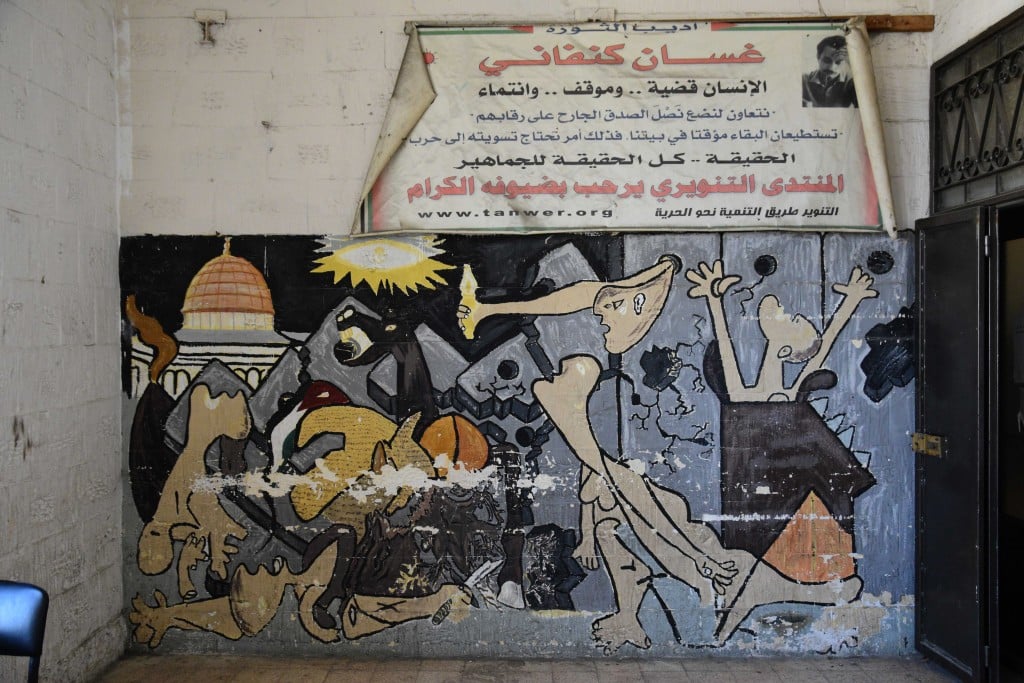
The Jordan Valley, northeast West Bank, Oct. 30-Nov. 9
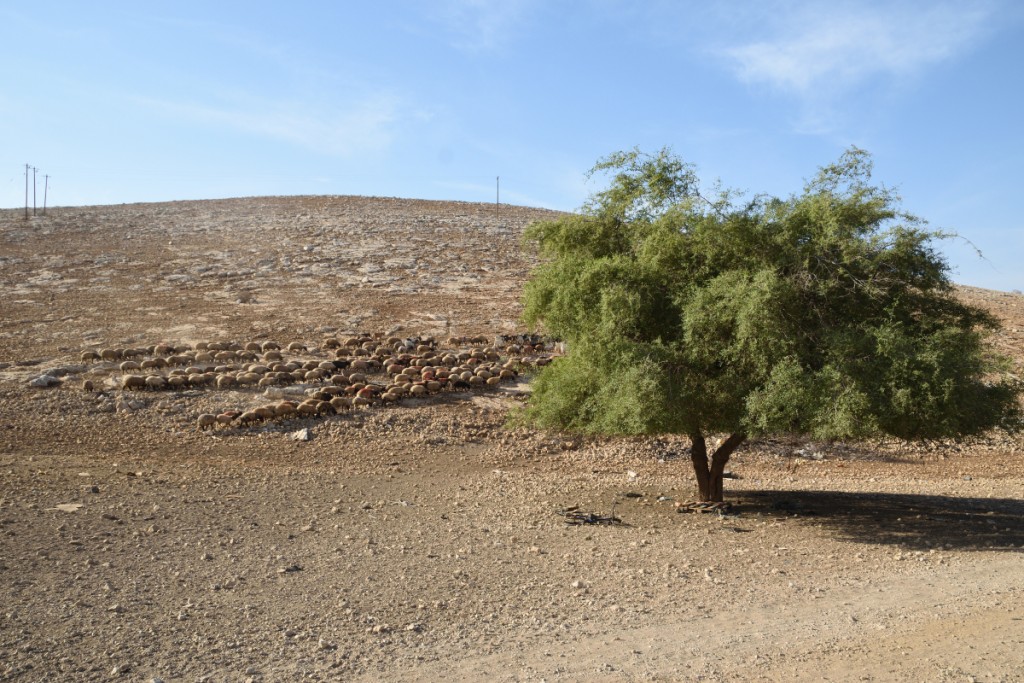
The first location I volunteered at was the Jordan Valley.
Each day we took the main north-south highway to reach the Palestinian homesteads we supported. To the west, mountainsides draped over orange, semi-arid valleys. To the east, a fence marks a minefield along the Jordan River, barring Palestinians from the region’s largest source of fresh water.
Water is a big deal in the Jordan Valley. Palestinian residents barely have enough, using less than 100 litres per person. The United Nations recommends using 100 litres per day. The average Israeli uses 300. This isn’t because of the environment, but because Israel has usurped the valley’s aquifers, sourcing water to its settlements and cities.
Our role was to deter and document settler harassment. Come nightfall, we sat on dusty makeshift cots taking turns on night watch, keeping an eye out for settlers or the army.
Support your local indie journalists
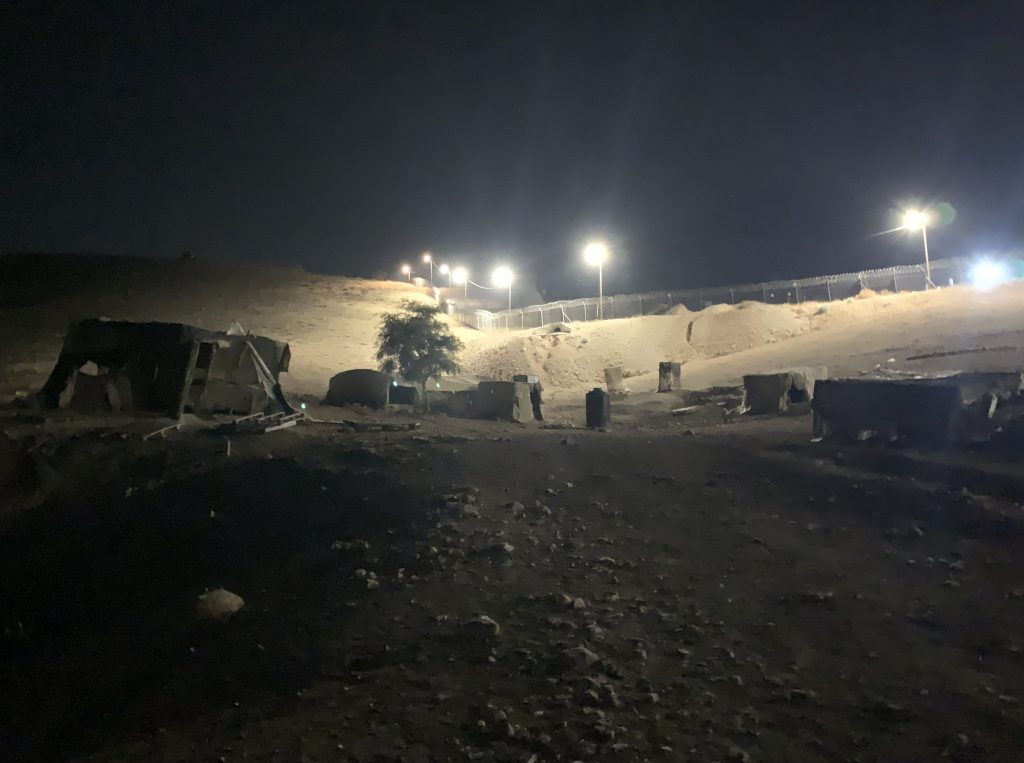
Each village we visited was marked by hostile architecture. One overlooks an Israeli army base, another is beside an Israeli school. Harsh floodlights from these facilities point directly towards Palestinian homes.
The farmers who live here are under constant threat. The Israeli military can declare their land as a firing zone, forcing farmers to graze their livestock on smaller parcels of land. Farmers then incur debt after they are forced to feed their flock with grain worth more than the animals. Eventually, the farmer is forced to sell the flock and work as cheap labour for one of the nearby Israeli-owned farms.
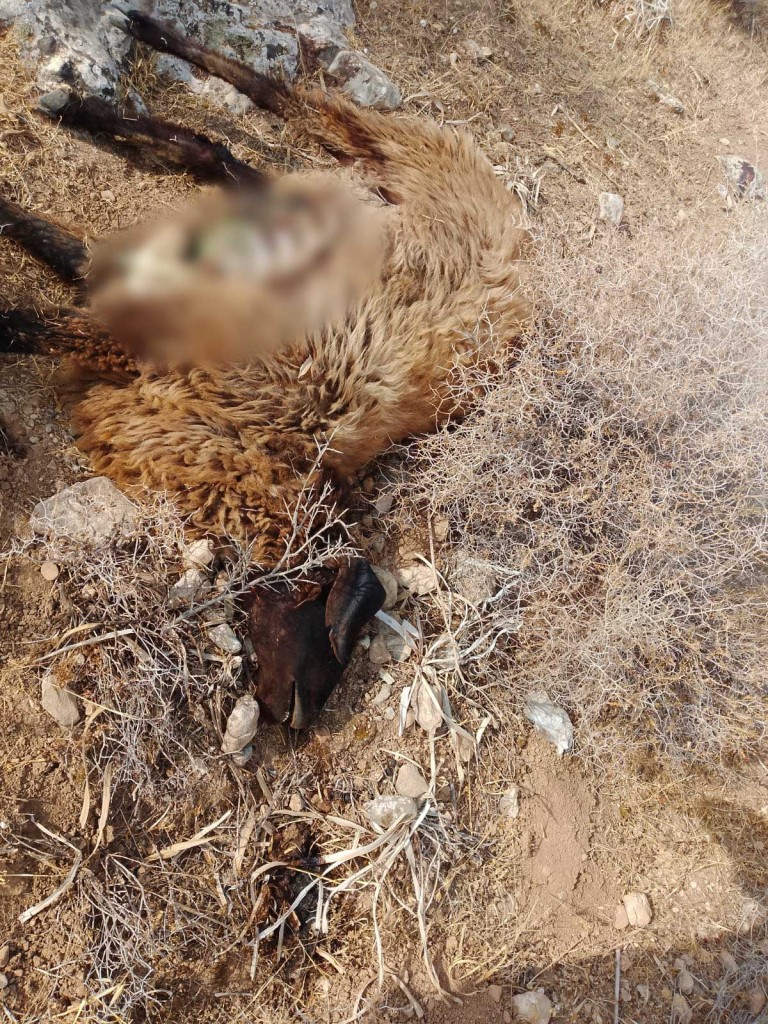
Much more common is violence by settlers, who act with impunity. Palestinian livestock is regularly stolen, and in many cases, massacred. One farmer I visited was forced to leave his farm and reside in a village after settler harassment. He sent me dozens of photos of his mutilated flock – goats with their throats slashed, stomachs open.
This says nothing of the settler violence committed against Palestinians. The settlers are known to arrive at Palestinian homes in the middle of the night, masked and armed. The stories are gruesome – settlers wrapping a chain around the neck of a Palestinian teenage boy, settlers bludgeoning families with bats and two-by-fours, settlers sexually assaulting and parading a man naked in front of his family. Out in the Jordan Valley, the isolation makes it hard for Palestinians to get help.
Nur Shams refugee camp, a “Mini Gaza.” 3 km from Tulkarm, Nov. 12
At midday, we took a cab from a cafe in Tulkarm to the protest at Nur Shams refugee camp. Nur Shams was established in 1952 after its residents were expelled during the Nakba. Over time, it became a bustling village of around 13,700 residents.
In early February of 2025, Israeli troops stormed Nur Shams and evicted its residents to enable their long-term control over the camp. Nine months later, residents of Nur Shams began protesting against the eviction orders they were given that forced their second displacement.
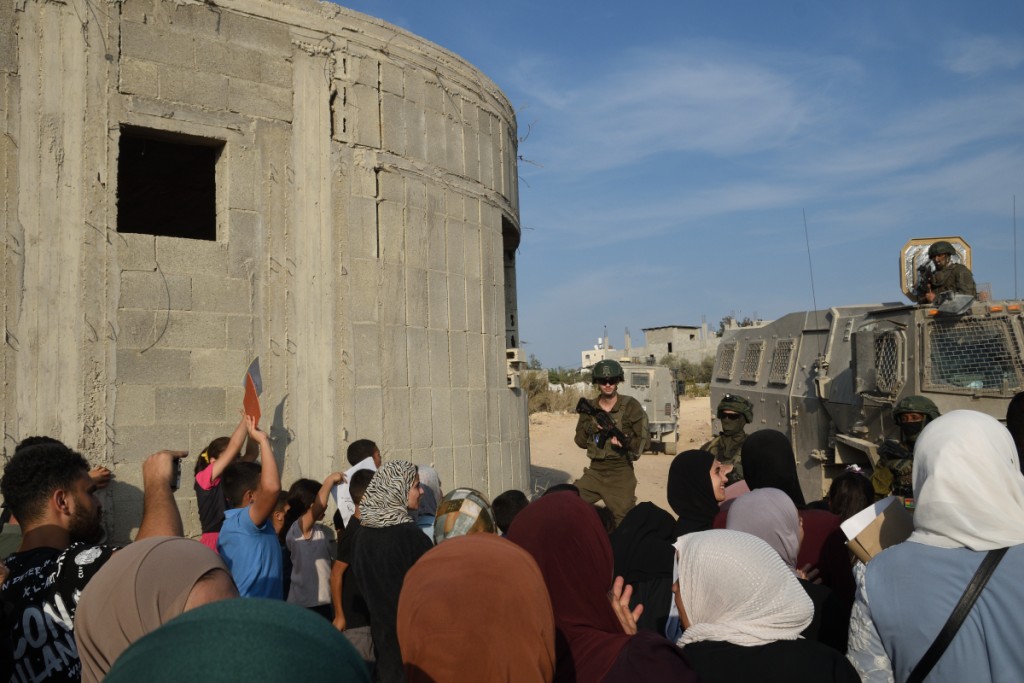
When we arrived at the protest, I saw a crowd in front of soldiers blocking the inroads to the camp. One soldier was on top of an armoured personnel carrier, his rifle pointed at the crowd, regularly aiming at new arrivals.
After exiting the cab, my instinct was to hide behind the old concrete building on the block corner. As someone raised in the suburbs of Montreal, this situation was novel to me. For Nur Shams residents, this was life. Fear, however, is universal. Those with more experience at Palestinian demonstrations weren’t shy to admit that they too were nervous.
Like many peaceful Palestinian protests, women took a leading role at this demonstration; men are often more likely to get shot.
I interviewed one of the women there with her friends.
“The camps here, we call them small Gaza because a lot of it is destroyed,” she said.
Residents of Nur Shams were told to leave the doors to their houses open. Houses with closed doors would be demolished.
“The animals and the rats and insects can come inside, our houses are a mess. There is no way you can ever live there,” she said.
She doesn’t know if she will ever be able to return.
“We have heard nothing from the PA (Palestinian Authority) or Israeli authorities, so we don’t know when this is going to end, we do not trust anybody.”
Now she is forced to pay rent outside the camp, where the cost of living is also more expensive.
“I lost my son who was 23 years old. I lost our home. In our house that is now destroyed, I had a lot of memories of my son. I want to go back there and remember those days,” she said.
Despite the scale of destruction, Nur Shams has received little attention and coverage outside of the Middle East.
Al-Khalil (Hebron), Southern West Bank, Nov. 16
Compared to the old cities in Nablus and Jerusalem, the old city in Al-Khalil looked like a ghost town. Its shop owners were struggling.
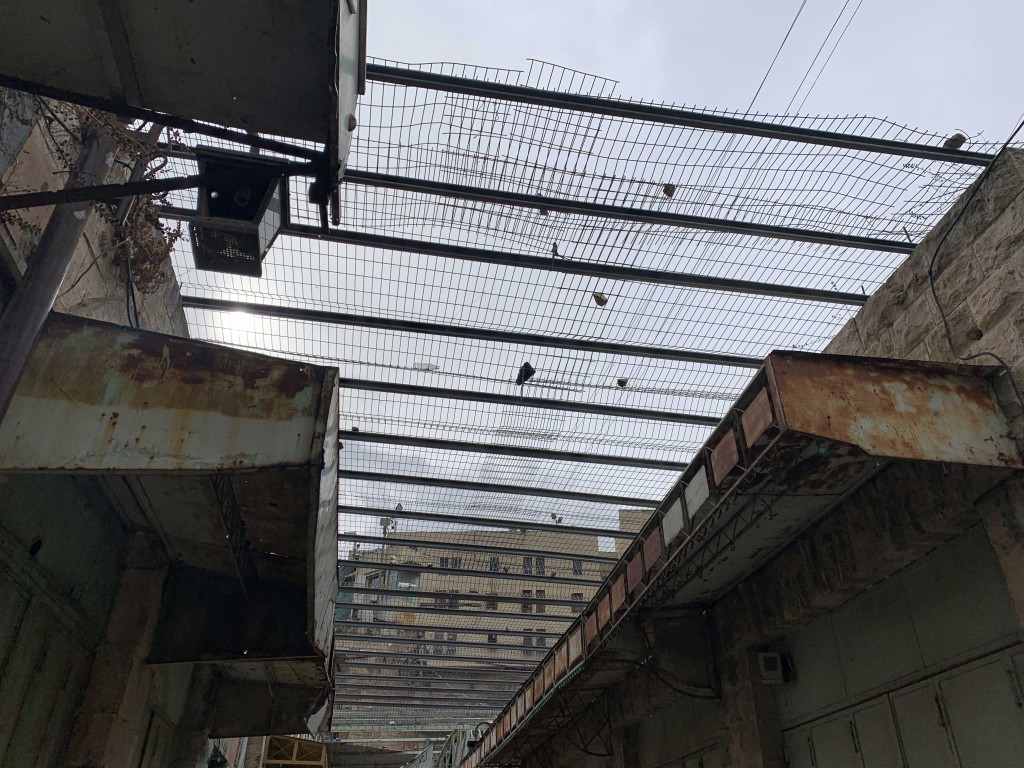
Settlers inhabit the apartments above the market. A culture of impunity exists here, too. Settlers regularly throw trash at Palestinians from above. A makeshift wire net has been installed to protect those below.
Ramez Za’atari has a shop that has sold Kunafa and Baklava in Al-Khalil’s old city for over 120 years. He inherited the shop from his grandparents.
“There are no visitors from the city or tourists visiting to the old town,” he said. “It is difficult to promote our products. The economic situation is very bad.”
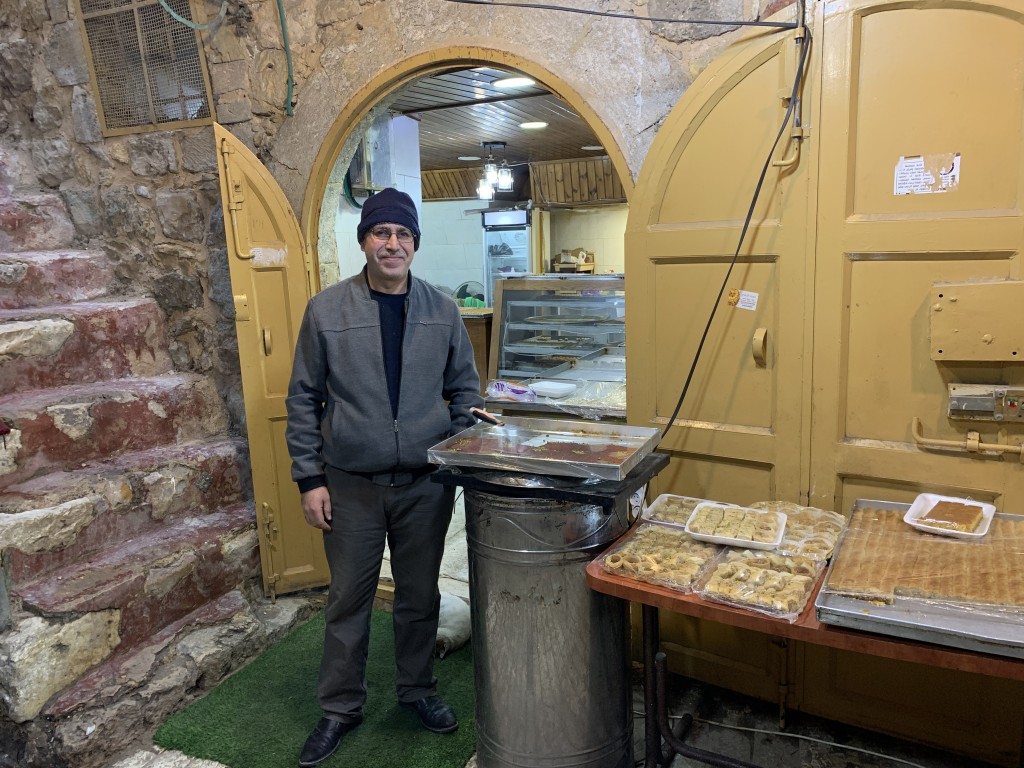
Anxiety is the norm among Hebron’s shopkeepers.
“The settlers are always present in the streets or on the rooftops watching us, and the Israel Army soldiers are always present, watching over the shops. It is a type of provocation. We get garbage and dirty water thrown at us,” Za’atari said.
He said his business is targeted by the Israelis.
“They want it closed, but we are insistent on keeping it open and working in it,” he said. “We ask the world to visit Palestine, and visit Hebron, to shop in the old town. To give the psychological support and the monetary support to the shopkeepers who are keeping traditions alive.”
Al-Mughayir, Central West Bank, 29 km northeast of Ramallah. Nov. 24-29
On the outskirts of Al-Mughayir, a tattered Israeli flag waves atop a hill over a series of Bedouin homesteads. Behind the hilltop is an Israeli settlement whose inhabitants monitor and harass their Palestinian neighbours daily.
I spent five days with a family in Al-Mugyahhir. Here, I truly came to understand the absurd routine many Palestinians live through. Farm work is limited because the land is constantly under threat.
The Bedouin farmers are no longer able to herd their sheep as they did before. Straying too far from home is often met with threats and the possibility of violence. Settler shepherds, most of them teenagers, have appropriated the traditional Arab pastoral life and use it as a weapon of ethnic cleansing. They herd their flocks to graze through Palestinian olive groves, gradually leading to the groves’ destruction.
The families at Al Mughayir have no recourse. The noose around their homes keeps tightening. Some have left, their abandoned lands and houses then taken by the settlers.
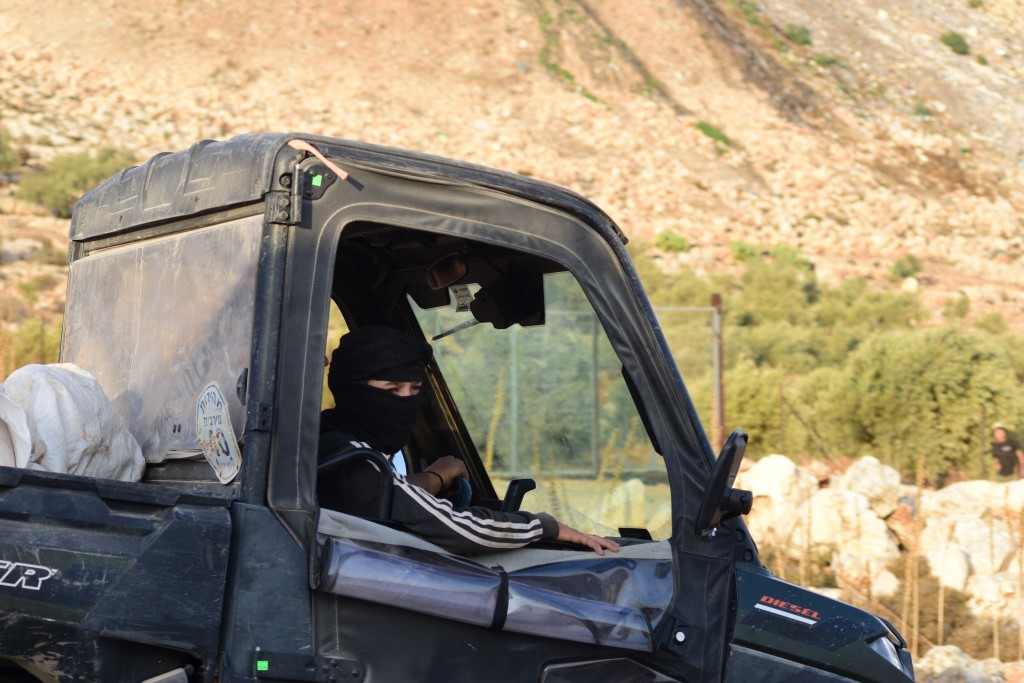
The ones who stay are in a precarious situation that requires constant surveillance. They don’t leave in large numbers. Someone must always be here. The young men barely get any sleep. They stay up late watching for settlers or the army, taking turns performing flashlight sweeps along the hills that surround their valley. During daytime, there is little to do but stare into the valley and wait.
One of the few moments of rest comes in the evening. The men sit down together on mats in a large shipping container and watch Bedouin TV dramas.
One evening, one of the young men helped me with my Arabic. We communicated over Google Translate. I remember asking him about his aspirations, what he wanted for his future. He took my phone and wrote.
“I just want us to live in safety.”
So many of the conversations I heard in Palestine were focused on the occupation. I heard the word “Mustawtinoon,” the Arabic word for “settler,” almost as much as “Salam Alaikum” and “Shukran.”
The constant vigilance against Israel’s colonialism takes up almost everything, in the physical world and in the mind. Inevitably, other topics take a back seat.
I returned to the Jordan Valley during my last days in Palestine. There, I visited a local Oud maker. We chatted over cigarettes and tea. While sharing music, I put on Ounadikom, a resistance song written with words by Palestinian poet Twafiq Ziad. A stoic expression took over his face. The Oud maker said, “Israelis do not like this.”
Author

Comments (2)
Leave a comment
Related Articles
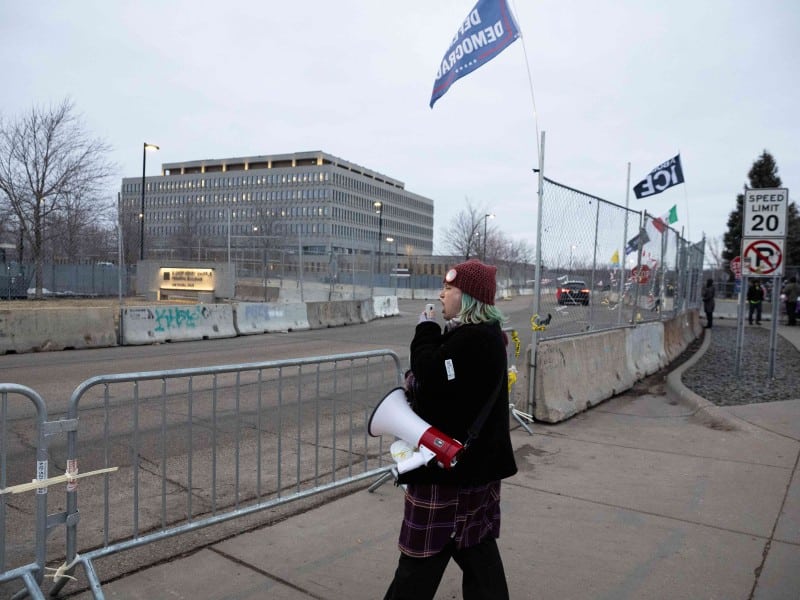
Occupation and Defiance in Trump’s America
Three months out from the reduction of ICE agents in the Twin Cities, Minnesota, residents remain on alert.

La « mort sociale » des femmes musulmanes au Québec
Confrontées à des pertes d’emploi et à des atteintes à leurs droits garantis par la Charte, des musulmanes s’interrogent sur leur avenir dans une province où elles se sentent isolées et en danger.
The “Social Death” of Muslim Women in Quebec
Beset by job losses and attacks on their Charter rights, Muslims ponder their future in a province that’s left them feeling isolated and afraid.
Glad to have your perspective on this. Good article!
Thank you for sharing your first-hand account. I learned about the garbage net at Al-Khalil a few years back and was utterly disgusted by its necessity.
When my grandfather was alive, he had an olive grove in southern Italy. He loved that grove, he was so proud of the olive oil he’d press each year. So when I see how Israeli settlers destroy olive groves, I know in a tiny way what they’re taking from Palestinians, to say nothing of their lives, their futures.