
“Compassion” Is Being Weaponized Against Unhoused People
A recent Montreal Gazette op-ed warns of compassion fatigue towards homelessness, yet there is no compassion in how unhoused people are treated.
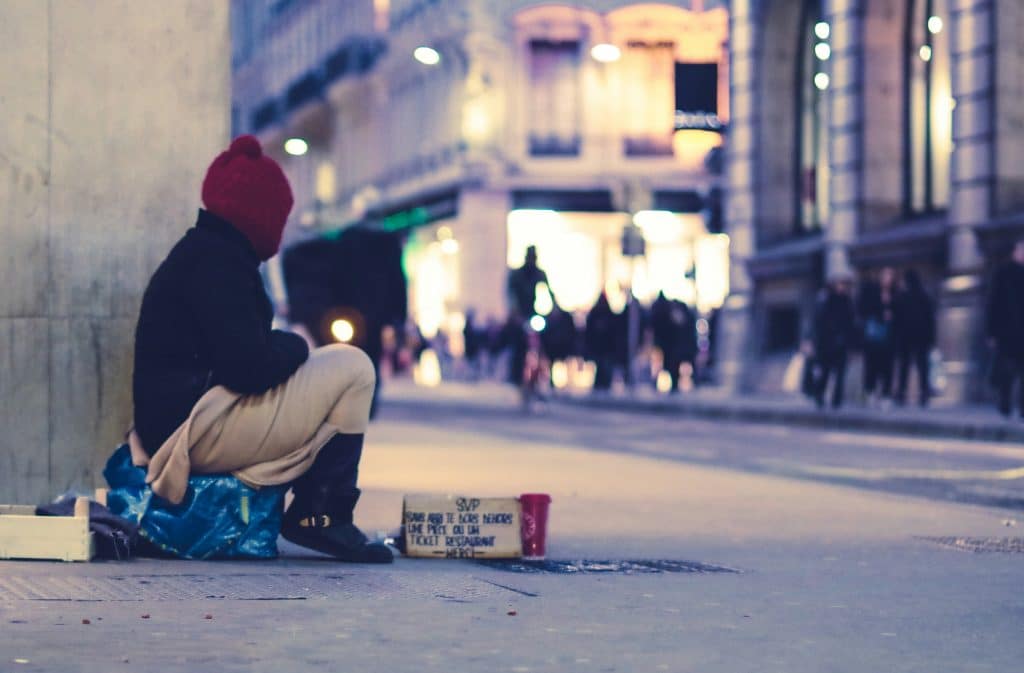
For years, our elected leaders have claimed to be taking a compassionate approach to homelessness, while in reality funding repressive policies and defunding all forms of social support.
With their lies, they have led well-meaning citizens to blame compassion for the failures of repression. Not only have they caused untold harm against unhoused people, but they have hardened the public and encouraged scorn, disdain, and violence towards the most vulnerable and victimized people in our society.
Consider a recent op-ed in The Montreal Gazette on the topic of “compassion fatigue.” The author, an eminent professor, suggests that “compassion for unhoused people experiencing mental health and addiction crises” is coming “at the expense of everyone else’s right to safety, stability and dignity,” warning that our excess of “compassion” risks creating a “backlash on progressive policies.”
Upon closer inspection, however, the professor’s article does not describe a single act of compassion. The author complains, for example, that a man in distress was only “briefly detained” and that prosecutors are not being sufficiently harsh in addressing “chronic, disruptive and threatening behaviour.” He points to multiple instances of police intervening against unhoused people for minor infractions such as consuming drugs in public, but laments that “police appear reluctant to intervene proactively.” He is outraged that people with mental health conditions are allowed to walk the streets, instead of being medicated by force.
The implication is that compassion is not the provision of care, but rather the moderation of violence: to be detained briefly rather than thrown in prison; to be targeted by the police occasionally rather than constantly; to be abandoned rather than interned; these are the great acts of compassion that the public is apparently so fatigued by.
There is obviously a crisis — anybody can see it. But what I hope people can see is that the crisis of homelessness is the result of our absolute lack of compassion. For the past 30 years, a single policy has prevailed: barbaric repression coupled with the withdrawal of social support. This has been documented, scientifically, by reputable organizations such as the Commission des droits de la personne et de la jeunesse, the Réseau d’aide aux personnes seules et itinérantes de Montréal, and the Canadian Human Rights Commission, to name only a few.
Studies show that unhoused people are relentlessly targeted by police, metro constables, and private security guards. They face regular beatings and insults, constant displacement, occasional sexual violence, and a mountain of fines, arrests, and detainment. Their worldly possessions are routinely destroyed by riot police and municipal bulldozers, in brazen violation of their human rights. This is enabled by municipal bylaws, crafted by politicians, that make it illegal for unhoused people to sleep, sit, stand, drink, urinate, and defecate in public — in short, illegal to survive. And indeed, many die: at least 32 unhoused people who frequented the services surrounding Square Cabot died in the span of 18 months, 26 of them Indigenous; over the past five years, the number of people who die on the street has more than quintupled across Quebec.
And those who do not die, suffer. They suffer from both state persecution and state abandonment. They suffer from inaccessible healthcare, unaffordable housing, and the chronic underfunding of community organizations. Anything resembling compassion — from social housing to social assistance, from safe shelters to safe consumption — is being eroded to the point of non-existence.
There is no compassion here. Those who complain of “compassion fatigue” are too often those who want unhoused people to disappear, quickly, and not by compassionate means. These people claim they are being “abandoned” for the benefit of unhoused people, even as unhoused people are being repressed in their name. It is an insulting reversal of reality.
We can only hope to live in a world so decent, so full of grace, that we may one day feel compassion fatigue. That day is still very far.
Comments (2)
Leave a comment
Related Articles

Editor’s Note: Here’s What We Made and How We Spent in 2025
Our 2025 Transparency Report shows stable income, a growing audience, and more money going out to more freelancers.
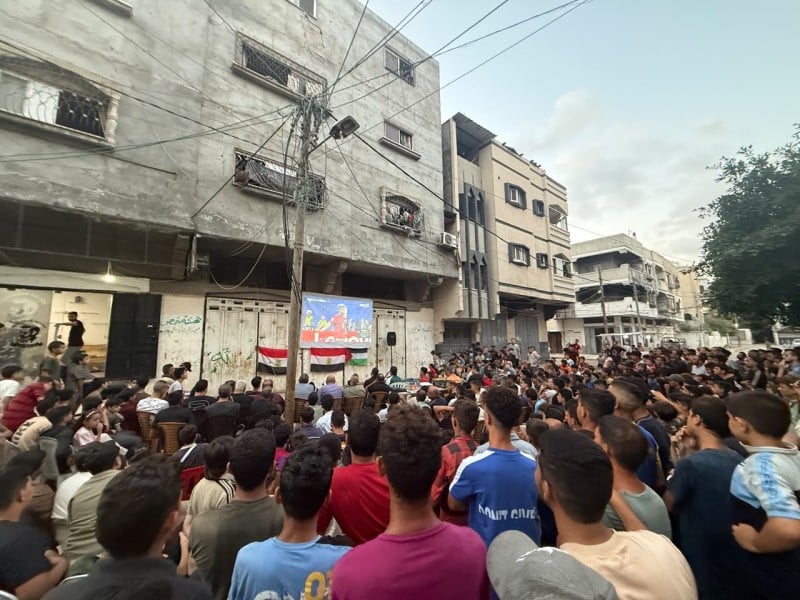
How Gazans Are Watching the World Cup
Amid power outages, fear of bombings, and the loss of the places where they once watched the games, soccer remains a rare moment of respite in a life upended by war.
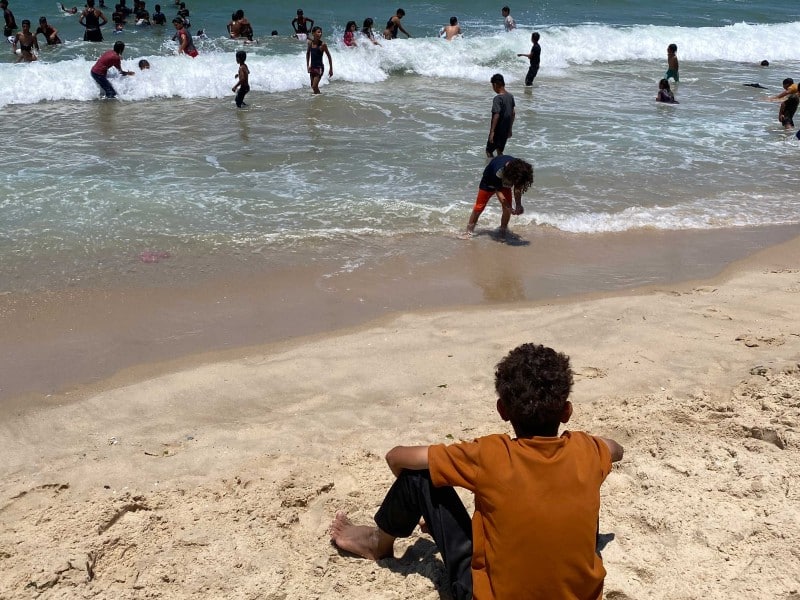
The Sea in Gaza: Memory, Survival, and the Last Refuge
Has the war changed the meaning of the sea?
This article creates a false choice and is written by someone who clearly doesn’t live near ground zero of one of these centers. Compassion isn’t being weaponized by resident, it’s being used to dismiss neighbors. Real compassion means protecting vulnerable people without asking one neighbourhood, its children, and its businesses to absorb the consequences. Ignoring the lived reality of those on the front lines isn’t compassion; it’s ideology.
Did you even read my piece? The arguments you build here in opposition to it have little to do with what I wrote.